

Mastering On-Page Optimization: Enhancing Your Website’s Visibility
On-Page Optimization: A Key Element of SEO Strategy
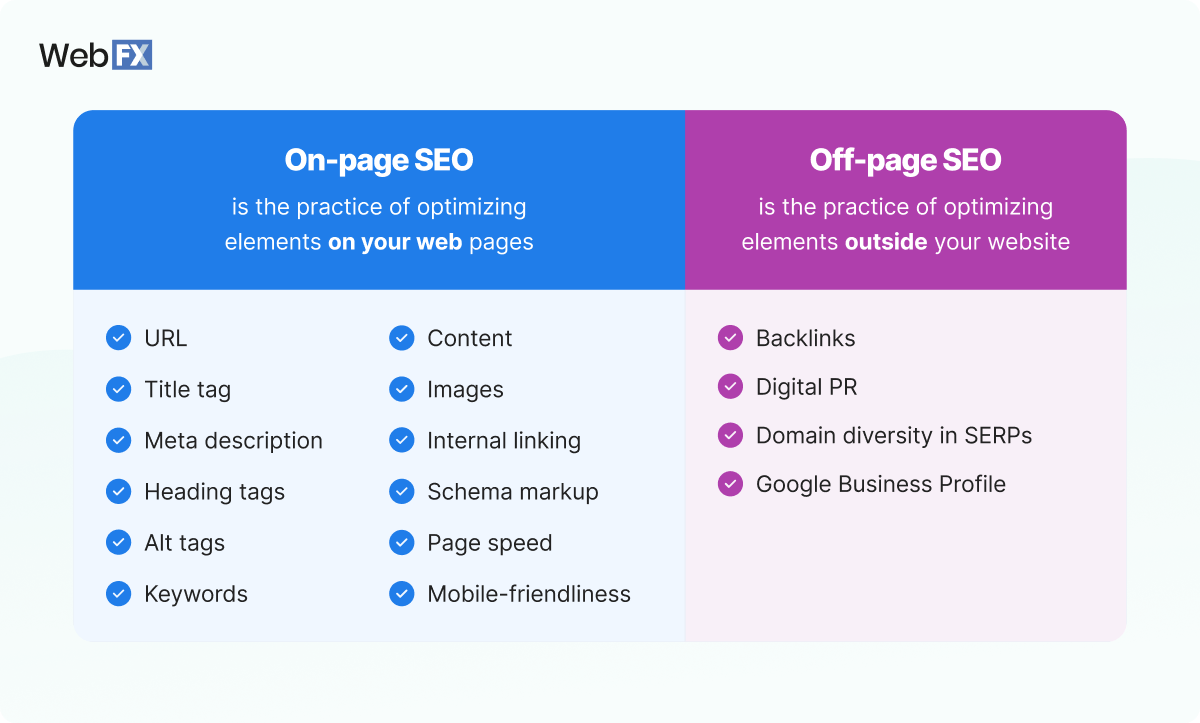
When it comes to Search Engine Optimization (SEO), on-page optimization plays a crucial role in improving a website’s visibility and ranking on search engine results pages. On-page optimization involves optimizing various elements on a webpage to make it more search engine-friendly and user-friendly.
Key Aspects of On-Page Optimization:
Content: High-quality, relevant content is essential for on-page optimization. Content should be well-written, informative, and engaging for users while incorporating relevant keywords strategically.
Title Tags and Meta Descriptions: Title tags and meta descriptions are HTML elements that provide information about a webpage to search engines and users. They should be concise, descriptive, and include targeted keywords.
URL Structure: A clear and descriptive URL structure helps search engines understand the content of a webpage better. URLs should be readable, contain relevant keywords, and reflect the page’s topic.
Heading Tags: Proper use of heading tags (e.g., H1, H2) helps organize content hierarchically and improves readability for both users and search engines.
Image Optimization: Images should be optimized with descriptive filenames, alt text, and appropriate sizes to enhance user experience and improve accessibility.
The Importance of On-Page Optimization:
Effective on-page optimization can lead to improved search engine rankings, increased organic traffic, better user engagement, and higher conversion rates. By focusing on key on-page elements, website owners can create a more user-friendly experience while signalling relevance to search engines.
In Conclusion
On-page optimization is an essential component of any successful SEO strategy. By paying attention to content quality, meta tags, URL structure, heading tags, and image optimization, website owners can enhance their online presence and attract more organic traffic. Incorporating best practices in on-page optimization can result in long-term benefits for both users and search engines.
Nine Benefits of On-Page Optimisation: Enhancing Visibility, Engagement, and Sustainability
- Improves search engine rankings
- Increases organic traffic to the website
- Enhances user experience and engagement
- Boosts website visibility in search results
- Helps establish relevance to search engines
- Can lead to higher conversion rates
- Allows for better targeting of specific keywords
- Helps in creating a more structured and organised website
- Contributes to long-term sustainability of SEO efforts
Five Pitfalls of On-Page Optimisation: Balancing Effort and Effectiveness
- Over-optimization can lead to keyword stuffing, which can harm the website’s credibility and ranking.
- Constantly updating and optimizing on-page elements can be time-consuming and resource-intensive.
- Focusing too much on on-page optimization may divert attention from off-page SEO strategies that are also crucial for ranking.
- Implementing on-page changes incorrectly could result in technical errors or broken links, negatively impacting user experience.
- Changes made during on-page optimization may not always yield immediate results, requiring patience and ongoing monitoring.
Improves search engine rankings
On-page optimization plays a vital role in improving search engine rankings by enhancing the relevance and visibility of a website’s content to search engines. By strategically incorporating relevant keywords, optimizing title tags, meta descriptions, and URL structures, as well as ensuring high-quality content and proper use of heading tags, websites can signal their relevance to search engines. This process helps search engines better understand the content of a webpage and ultimately leads to higher rankings in search results, increasing the likelihood of attracting organic traffic and reaching a wider audience.
Increases organic traffic to the website
On-page optimization plays a significant role in increasing organic traffic to a website. By strategically incorporating relevant keywords, improving content quality, and optimizing meta tags and URL structures, websites can attract more visibility on search engine results pages. This enhanced visibility not only drives more organic traffic to the site but also improves the overall user experience by providing users with relevant and valuable information. Ultimately, the increased organic traffic resulting from effective on-page optimization can lead to higher engagement, better conversion rates, and sustained growth for the website.
Enhances user experience and engagement
On-page optimization plays a crucial role in enhancing user experience and engagement on a website. By structuring content effectively, using relevant headings, and optimizing images and URLs, website owners can create a more user-friendly environment that encourages visitors to explore further. A well-optimized page not only makes it easier for users to find the information they need but also improves overall engagement by providing a seamless and enjoyable browsing experience. This, in turn, can lead to increased time spent on the site, lower bounce rates, and ultimately higher conversion rates.
Boosts website visibility in search results
On-page optimization plays a significant role in boosting a website’s visibility in search engine results pages. By strategically incorporating relevant keywords, optimizing meta tags, and structuring content effectively, websites can improve their chances of appearing higher in search results. This increased visibility not only drives more organic traffic to the site but also enhances its overall online presence, making it easier for users to find and engage with the content they are looking for.
Helps establish relevance to search engines
On-page optimization plays a crucial role in helping websites establish relevance to search engines. By strategically incorporating relevant keywords, optimizing title tags, meta descriptions, and content structure, websites can effectively communicate the topic and focus of their pages to search engine algorithms. This signals to search engines that the content is highly relevant to specific search queries, increasing the likelihood of higher rankings in search results. Establishing relevance through on-page optimization not only improves visibility but also enhances the overall user experience by delivering more accurate and targeted search results.
Can lead to higher conversion rates
Effective on-page optimization can significantly impact a website’s conversion rates by improving the overall user experience and guiding visitors towards desired actions. By strategically placing compelling calls-to-action, ensuring clear navigation, and providing relevant and engaging content, on-page optimization can create a seamless journey for users that encourages them to take the desired actions, such as making a purchase, filling out a form, or contacting the business. Higher conversion rates not only indicate the success of a website in turning visitors into customers but also contribute to increased revenue and business growth.
Allows for better targeting of specific keywords
On-page optimization offers the advantage of enabling precise targeting of specific keywords within website content. By strategically incorporating relevant keywords into titles, headings, meta descriptions, and throughout the content itself, websites can improve their visibility and ranking for those particular search terms. This targeted approach not only helps search engines understand the relevance of the content but also enhances the overall user experience by providing visitors with more accurate and valuable information based on their search queries. Ultimately, better targeting of specific keywords through on-page optimization can lead to increased organic traffic and improved search engine rankings for websites.
Helps in creating a more structured and organised website
On-page optimization plays a crucial role in helping to create a more structured and organised website. By strategically implementing elements such as heading tags, clear URL structures, and well-organized content, on-page optimization ensures that a website is easy to navigate for both users and search engines. A structured website not only enhances user experience by making information easily accessible but also signals to search engines the relevance and hierarchy of content, ultimately improving the site’s overall visibility and ranking in search results.
Contributes to long-term sustainability of SEO efforts
On-page optimization plays a crucial role in ensuring the long-term sustainability of SEO efforts. By meticulously fine-tuning elements such as content quality, meta tags, URL structure, and heading tags, website owners can establish a strong foundation that not only boosts current search engine rankings but also maintains them over time. This proactive approach to on-page optimization helps websites remain relevant and competitive in the ever-evolving landscape of search engine algorithms, ultimately leading to sustained organic traffic and visibility in search results.
Over-optimization can lead to keyword stuffing, which can harm the website’s credibility and ranking.
Over-optimization in on-page SEO can have detrimental effects, particularly when it leads to keyword stuffing. When website owners excessively repeat keywords in an attempt to manipulate search engine rankings, it can result in content that feels unnatural and spammy to users. This not only diminishes the credibility of the website but also risks penalties from search engines for engaging in manipulative practices. Ultimately, instead of boosting the website’s ranking, over-optimization through keyword stuffing can harm its reputation and hinder its ability to attract and retain visitors.
Constantly updating and optimizing on-page elements can be time-consuming and resource-intensive.
Constantly updating and optimizing on-page elements can present a significant challenge due to the time and resources required. Keeping content, meta tags, URL structures, heading tags, and images optimised demands ongoing attention and effort. This continuous need for refinement can strain resources and divert focus from other essential aspects of a website or business. Balancing the demands of maintaining on-page optimization with other priorities can be a complex task that requires careful planning and allocation of resources to ensure sustained effectiveness in the ever-evolving digital landscape.
Focusing too much on on-page optimization may divert attention from off-page SEO strategies that are also crucial for ranking.
While on-page optimization is undeniably important for improving a website’s search engine visibility, focusing excessively on it may inadvertently shift focus away from equally vital off-page SEO strategies. Off-page SEO, such as building quality backlinks, establishing a strong online presence through social media, and enhancing domain authority, plays a significant role in determining a website’s ranking on search engine results pages. Neglecting these off-page factors in favour of solely concentrating on on-page elements could limit the overall effectiveness of an SEO strategy and hinder the website’s potential for higher rankings and increased organic traffic. Striking a balance between on-page and off-page optimization is key to achieving comprehensive and sustainable SEO success.
Implementing on-page changes incorrectly could result in technical errors or broken links, negatively impacting user experience.
Implementing on-page changes incorrectly when conducting on-page optimization can lead to technical errors or broken links, which in turn can have a detrimental effect on user experience. Users expect a seamless browsing experience, and encountering technical issues or broken links can frustrate them and deter them from engaging further with the website. Therefore, it is crucial for website owners to ensure that any on-page changes are implemented correctly to maintain a smooth user experience and avoid negative repercussions on site usability and visitor satisfaction.
Changes made during on-page optimization may not always yield immediate results, requiring patience and ongoing monitoring.
During on-page optimization, one significant drawback is that the changes implemented may not produce instant results. It is essential to understand that search engines may take time to crawl and index the updated content, affecting the visibility and ranking of the website. This delay in seeing tangible outcomes necessitates patience and continuous monitoring to assess the effectiveness of the optimization efforts over time. Adapting a long-term perspective and staying vigilant in tracking performance metrics are crucial in navigating this challenge posed by on-page optimization.