

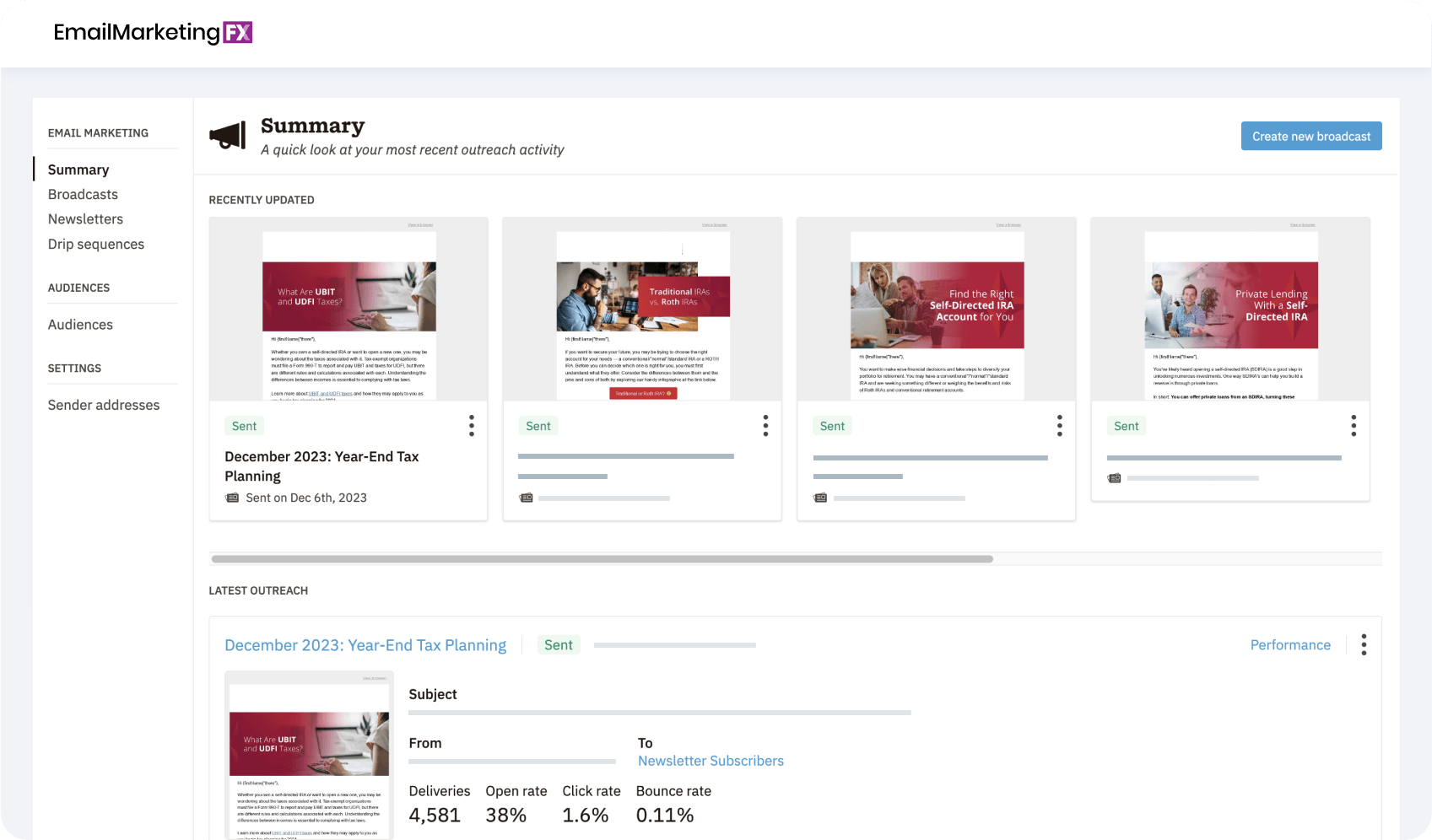
How to Choose the Right Email Internet Marketing Service for Your Business
Email Internet Marketing Service: A Practical Guide for Businesses
Email remains one of the most direct ways for a business to communicate with customers. An email internet marketing service can help plan, create, send and measure campaigns, making it easier to reach the right people with useful, relevant messages.
Whether you want to build customer loyalty, announce a new product or encourage enquiries, a well-managed email strategy can support your wider digital marketing efforts. The key is to offer content that recipients value, send it responsibly and learn from each campaign.
What Is an Email Internet Marketing Service?
An email internet marketing service is a platform, agency or combination of both that helps businesses manage marketing communications by email. Depending on the provider, it may include campaign planning, email design, copywriting, audience segmentation, automation, delivery monitoring and performance reporting.
Some businesses use email marketing software to run campaigns in-house. Others work with a specialist agency for strategic guidance and hands-on support. The right option depends on your objectives, resources and the complexity of your marketing.
What Can an Email Marketing Service Include?
Services vary, but commonly cover the following areas:
- Strategy and planning: Setting campaign goals, deciding how often to send emails and aligning activity with your wider marketing plan.
- List management: Organising subscriber data, maintaining accurate records and managing preferences and unsubscribes.
- Segmentation: Dividing an audience into relevant groups based on factors such as interests, previous purchases or stage in the customer journey.
- Content and design: Writing clear copy and creating emails that reflect your brand and work well on mobile devices.
- Automation: Setting up scheduled messages, such as welcome emails, appointment reminders or follow-ups after a purchase.
- Testing and optimisation: Comparing subject lines, layouts or calls to action to understand what works best.
- Reporting: Reviewing results and using the findings to improve future campaigns.
Benefits of Email Marketing
Direct communication
Email gives businesses a direct channel to people who have chosen to hear from them. Unlike a social media post, an email can be delivered to a subscriber’s inbox, although delivery and visibility are never guaranteed.
Relevant, personalised messages
Segmentation allows businesses to tailor messages to different audience groups. A relevant email is more likely to be useful than a generic message sent to everyone on a list.
Support for customer relationships
Regular, helpful communication can keep a business in mind between purchases or enquiries. News, practical advice, product updates and service information can all help strengthen customer relationships when they are sent appropriately.
Measurable performance
Email platforms can provide data on delivery, clicks, unsubscribes and conversions. These measures help marketers understand how campaigns are performing and where improvements may be needed.
How to Choose an Email Internet Marketing Service
Before choosing a provider, consider what you need the service to achieve. A small business sending a monthly newsletter may need a straightforward platform, while a larger organisation may require advanced automation, integrations and specialist support.
- Check the features: Look for the tools you will actually use, such as automation, segmentation, templates and reporting.
- Consider ease of use: The platform should suit the experience and time available within your team.
- Review integrations: Check whether the service can connect with your website, online shop or customer relationship management system.
- Understand the costs: Compare pricing, contact limits, sending volumes and any additional charges.
- Ask about support: Find out what help is available with setup, troubleshooting and campaign planning.
- Assess privacy and security: Understand how subscriber information is stored, accessed and protected.
Best Practices for Effective Email Campaigns
A successful campaign starts with a clear purpose. Decide what you want recipients to know or do, then make the message focused and easy to act on.
- Send emails only to people who have the appropriate permission to receive them.
- Use a recognisable sender name and a clear subject line that accurately reflects the content.
- Keep the copy concise, useful and easy to scan.
- Include a clear call to action where appropriate.
- Make emails accessible and check that they display properly on mobile devices.
- Provide a simple way to unsubscribe and honour opt-out requests promptly.
- Review campaign results and use them to guide future improvements.
UK Rules and Responsible Email Marketing
Businesses sending marketing emails to people in the UK must follow applicable privacy and electronic marketing rules. These include the UK General Data Protection Regulation (UK GDPR) and the Privacy and Electronic Communications Regulations (PECR). Requirements can depend on who is being contacted and the nature of the communication, so businesses should check the rules that apply to their circumstances.
In general, organisations should be clear about why they are collecting personal information, handle it securely and respect people’s marketing preferences. Consent requirements and exceptions can vary, so a purchased or publicly available email address should not automatically be treated as permission to send marketing. Where necessary, seek advice from a suitably qualified privacy professional.
How to Measure Results
Useful measures depend on the goal of the campaign. For example, a sales email might be assessed by purchases or qualified enquiries, while a newsletter may be judged by clicks and ongoing subscriber engagement.
Common metrics include delivery rates, bounce rates, click-through rates, conversions and unsubscribe rates. Open rates can offer a broad indication of activity, but they are not always reliable because of privacy features and email software behaviour. It is better to assess several measures together and focus on outcomes that matter to your business.
Make Email Part of a Wider Marketing Plan
Email marketing works best when it supports a consistent customer experience across your website, social media, advertising and other communications. A dependable email internet marketing service can help bring these activities together, from welcoming new subscribers to sharing relevant updates with existing customers.
Start with a clear objective, build your audience responsibly and focus on sending emails people will find worthwhile. With careful planning and regular review, email can become a practical, measurable part of your business’s online marketing.
9 Essential Tips for Optimising Your Email Internet Marketing Strategy
- Choose a service with strong deliverability tools.
- Use clear, permission-based mailing lists.
- Segment subscribers by interests and behaviour.
- Personalise subject lines and email content.
- Keep messages concise and mobile-friendly.
- Test calls to action before sending.
- Automate welcome and follow-up emails.
- Track opens, clicks and conversions.
- Review results and refine campaigns regularly.
Choose a service with strong deliverability tools.
Choose an email internet marketing service with strong deliverability tools to help your messages reach subscribers’ inboxes rather than being filtered as spam. Look for features such as bounce monitoring, sender authentication support, list hygiene tools and clear reporting on delivery issues. These tools can help you spot problems early, protect your sender reputation and make informed improvements to future campaigns.
Use clear, permission-based mailing lists.
Use clear, permission-based mailing lists by emailing people who have knowingly agreed to receive your marketing and understand what they are signing up for. Explain what kinds of messages they can expect, keep consent records up to date and make it easy for subscribers to change their preferences or unsubscribe. Avoid buying lists or adding contacts without permission, as this can damage trust, harm deliverability and may breach UK privacy and electronic marketing rules.
Segment subscribers by interests and behaviour.
Segmenting subscribers by their interests and behaviour helps you send more relevant emails instead of treating your whole list as one audience. Group people according to the topics they care about, the pages they visit or the products they browse or buy, then tailor your content to match. This can make your messages more useful and encourage stronger engagement, while giving subscribers a better experience. Be transparent about how you use their data and respect their email preferences.
Personalise subject lines and email content.
Personalise subject lines and email content to make each message feel relevant to its recipient. Using a subscriber’s name can help catch their attention, but personalisation is most effective when it reflects their interests, past interactions or stage in the customer journey. Keep the subject line clear and accurate, and tailor the email itself with useful information or offers suited to that audience. Always use personal data responsibly and follow applicable UK privacy and electronic marketing rules.
Keep messages concise and mobile-friendly.
Keep your emails concise and mobile-friendly so readers can quickly understand your message on any device. Use short paragraphs, clear headings and a focused call to action, and make sure links and buttons are easy to tap on a small screen. Before sending, preview the email on mobile to check that the layout is clear and readable.
Test calls to action before sending.
Test your calls to action before sending to find out which wording, placement and design encourage more people to take the next step. Try variations such as “Book a consultation” and “Find out more”, and check that each link works, stands out clearly and leads to the right page on desktop and mobile. Use the results to refine future emails, while keeping the message clear and relevant to your audience.
Automate welcome and follow-up emails.
Automate welcome and follow-up emails to make timely communication easier and more consistent. A welcome email can introduce your business, explain what subscribers can expect and point them towards useful resources. Follow-up emails can offer relevant information after an enquiry, purchase or booking. Set each message to match the recipient’s actions and preferences, and review your automations regularly to keep the content accurate, helpful and compliant with applicable marketing rules.
Track opens, clicks and conversions.
Track opens, clicks and conversions to understand how your email campaigns are performing. Open rates can give a general indication of engagement, while clicks show which links or offers are attracting interest. Most importantly, measure conversions—such as enquiries, bookings or sales—to see whether your emails are helping achieve business goals. Use these insights to refine your content and improve future campaigns.
Review results and refine campaigns regularly.
Reviewing campaign results regularly helps you understand what is resonating with your audience and where there is room to improve. Look beyond opens to metrics such as clicks, conversions, unsubscribes and bounce rates, then use these insights to refine your subject lines, content, audience segments and send frequency. Small, ongoing adjustments can make your email campaigns more relevant and effective over time.