

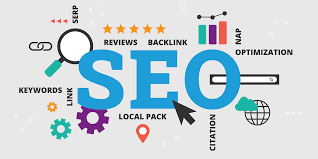
Search Engine Optimisation (SEO): A Practical Guide to Better Visibility
Search Engine Optimisation (SEO): A Practical Guide
Search engine optimisation, or SEO, is the process of improving a website so that it is easier for search engines to find, understand and recommend. Done well, SEO can help the right people discover your business when they search online for information, products or services.
SEO is not a quick fix or a single technical adjustment. It is an ongoing approach that combines useful content, a well-built website and a clear understanding of what your audience needs.
Why is SEO important?
People often turn to search engines when they are researching a question or looking for a service. Appearing prominently for relevant searches can bring more visitors to your website and help build awareness of your organisation.
Unlike paid advertising, organic search traffic does not come from paying for each click. However, earning visibility takes time and continued effort. Rankings are not guaranteed, and results can vary depending on your sector, competition, website and search terms.
How does SEO work?
Search engines use automated systems to discover web pages, understand their content and decide which pages may be most useful for a particular search. SEO helps make your website accessible to these systems while also making it more helpful to people.
Most SEO work falls into three connected areas: on-page SEO, technical SEO and off-page SEO.
On-page SEO
On-page SEO focuses on the content and elements of individual pages. It includes:
- Creating clear, original and useful content
- Choosing topics and search terms that match your audience’s needs
- Writing descriptive page titles and headings
- Using internal links to connect related pages
- Adding descriptive alternative text to meaningful images
Good on-page SEO is not about repeating a keyword as often as possible. Content should answer the visitor’s question naturally and provide enough detail to be genuinely useful.
Technical SEO
Technical SEO helps search engines access and understand your website. It also supports a better experience for visitors. Common areas to review include:
- Making sure important pages can be crawled and indexed
- Improving page loading times and mobile usability
- Using secure HTTPS connections
- Fixing broken links and duplicate pages
- Organising the website with a logical structure
A technically sound website gives your content a stronger foundation, although technical improvements alone will not guarantee higher rankings.
Off-page SEO
Off-page SEO refers to signals from outside your website that can help establish its reputation and relevance. Links from other reputable websites are one example. These links should be earned through valuable resources, strong relationships and worthwhile content rather than bought or manipulated.
For businesses serving a particular area, keeping business details accurate and consistent across relevant online listings can also support local visibility.
Start with your audience
Effective SEO begins with understanding what people are trying to find. A person searching for a broad explanation may need an informative guide, while someone looking for a local service may need clear details about location, availability and how to get in touch.
Consider the questions your customers ask, the problems they need to solve and the language they use. This can help you plan pages that are relevant to real search needs rather than simply targeting popular phrases.
How to measure SEO progress
SEO performance should be assessed using more than rankings alone. Useful measures may include:
- Organic visits to relevant pages
- Search impressions and clicks
- Enquiries, bookings or sales from organic traffic
- Engagement with key content
- Technical issues affecting important pages
Tools such as Google Search Console and website analytics platforms can provide insight into how people find and use your site. Reviewing performance over time helps you identify what is working and where improvements may be needed.
Common SEO mistakes to avoid
Some approaches can undermine long-term progress. Avoid publishing thin or copied content, forcing keywords into every paragraph, creating pages solely for search engines or acquiring links through spammy schemes. These tactics can make a website less useful and may put its search visibility at risk.
It is also a mistake to expect immediate results. Search engines need time to discover and assess changes, and competing websites may also be improving their content and performance.
SEO is an ongoing process
Search engine optimisation works best as part of a broader digital strategy. Start with a website that is clear and accessible, publish content that serves your audience, and review performance regularly. Over time, consistent improvements can help your organisation earn more relevant visibility in search.
There is no universal SEO formula. The right approach depends on your goals, audience and market, but a useful guiding principle remains the same: create the best possible experience for the people you want to reach.
Top 6 Essential SEO Tips for Boosting Your Website’s Visibility
- Use clear, descriptive page titles.
- Write helpful, original content.
- Research the phrases your audience searches for.
- Make your site fast and mobile-friendly.
- Use descriptive alt text for images.
- Earn links from reputable websites.
Use clear, descriptive page titles.
Use clear, descriptive page titles to help both visitors and search engines understand what each page is about. Keep each title specific and concise, include the main topic naturally, and make sure it accurately reflects the page’s content. Distinctive titles also help people decide whether your page is relevant when it appears in search results.
Write helpful, original content.
Write helpful, original content that answers your audience’s questions clearly and accurately. Focus on what readers need to know, rather than repeating keywords to influence rankings. Use your own expertise and examples to make each page distinctive, and keep information up to date. Content that is genuinely useful can build trust with visitors and give search engines a clearer understanding of your website.
Research the phrases your audience searches for.
Researching the phrases your audience searches for helps you understand how they describe their needs and what information they expect to find. Use keyword research tools, search suggestions and customer questions to identify relevant terms, then incorporate them naturally into useful pages and content. Focus on search intent as well as wording: someone looking for general advice needs a different answer from someone ready to compare services or make an enquiry.
Make your site fast and mobile-friendly.
Make your website fast and mobile-friendly to give visitors a better experience and make it easier for search engines to understand and use your pages. People should be able to find information quickly, whether they are browsing on a phone, tablet or computer. Compressing large images, reducing unnecessary code and using a responsive design can help your pages load smoothly on different devices. Regularly test your site’s speed and mobile usability, and fix any issues that make pages slow, difficult to read or awkward to navigate.
Use descriptive alt text for images.
Use descriptive alt text to explain the meaning or purpose of each important image on your website. This helps people using screen readers understand visual content and gives search engines useful context about the page. Keep alt text concise and specific, and describe what matters rather than simply listing keywords. If an image is purely decorative and adds no information, leave its alt text empty so assistive technology can skip it.
Earn links from reputable websites.
Earn links from reputable websites by creating useful, original content that others genuinely want to reference, such as expert guides, research or practical resources. You can also build relationships with relevant organisations, journalists and industry publications by sharing helpful insights. Focus on earning links that make sense for your audience rather than buying links or using manipulative tactics, which can damage your site’s credibility and search visibility.