

Search Engines: How They Work and Why They Matter
Search Engines: How They Work and Why They Matter
Search engines help people find information on the internet. Whether someone is researching a topic, looking for a local business or comparing products, a search engine can sort through vast amounts of online content and present results that are relevant to their query.
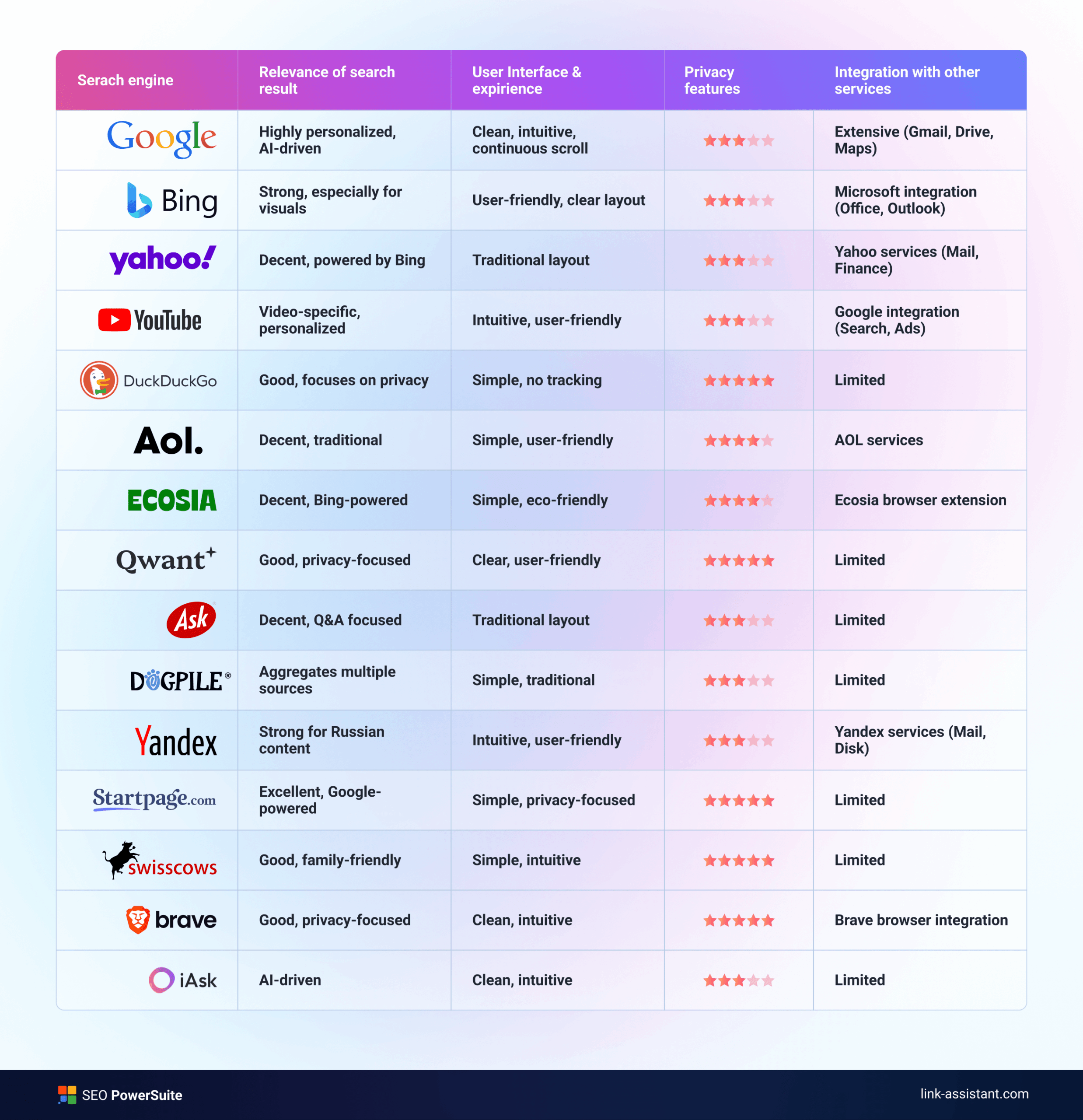
Google is the best-known search engine in the UK, but it is not the only option. Bing, DuckDuckGo, Ecosia and other services also help users discover websites and information. Although each platform has its own systems, most search engines follow a similar process to find, organise and rank content.
How search engines work
Search engines generally work through three main stages: crawling, indexing and ranking.
Crawling
Search engines use automated software, often called crawlers or bots, to discover pages on the web. These systems follow links from one page to another and may revisit pages to check for updates. A website’s structure, internal links and technical setup can all affect how easily its pages are found.
Indexing
After discovering a page, a search engine may analyse its content and add information about it to an index. The index is a large database of pages that the search engine can draw on when someone searches. Not every page is necessarily indexed: a page may be left out if it is inaccessible, duplicated, blocked from crawling or considered unsuitable for inclusion.
Ranking
When a user enters a query, the search engine selects pages from its index and orders them according to how useful and relevant they appear to be. Ranking systems can consider many signals, including the words used on a page, the meaning of the query, the quality and usefulness of the content, the page’s usability and the context of the search.
Search results are not always limited to a list of web pages. They may also include maps, images, videos, news, product information, featured answers and other specialised results.
Understanding search intent
The words in a search query provide clues about what a person wants to do. Search intent is commonly grouped into a few broad categories:
- Informational: The user wants to learn something, such as how a process works.
- Navigational: The user is trying to find a particular website or organisation.
- Commercial: The user is researching options before making a decision.
- Transactional: The user is ready to take an action, such as booking a service or making a purchase.
Understanding intent helps website owners create pages that match what people are looking for. A detailed guide may suit an informational query, while a clear service page may better answer a transactional one.
Why search engines matter to businesses
Search engines are an important way for potential customers to discover businesses, products and services. Appearing prominently for relevant searches can help a business attract qualified visitors, build awareness and provide useful information at the point when people need it.
For local businesses, search can be particularly valuable. People may look for services near them, check opening hours or compare reviews before getting in touch. Accurate business details, a well-maintained website and helpful local information can make it easier for people to find and assess a business.
Search engine optimisation
Search engine optimisation (SEO) is the practice of improving a website so that it can be discovered and understood by search engines and, most importantly, be useful to its intended audience. SEO does not guarantee a particular position in search results. Instead, it involves making steady improvements to a site’s content, structure and performance.
Common SEO activities include:
- Creating accurate, original and helpful content.
- Organising pages around topics and user needs.
- Using clear page titles and headings.
- Making the site easy to navigate on desktop and mobile devices.
- Improving page speed and accessibility.
- Ensuring search engines can access important pages.
- Building a trustworthy reputation through useful resources and relevant references.
Good SEO focuses on people rather than trying to manipulate ranking systems. Search engines continually update their technology, so tactics that rely on tricks or low-quality content may be ineffective or harmful over time.
How search is changing
Search technology continues to develop. Results can now combine traditional web listings with maps, videos, product details and direct answers. Voice searches and conversational queries have also influenced the way people phrase questions. In addition, some platforms use artificial intelligence to summarise information or help users explore a topic.
These developments do not remove the need for useful websites. Clear, reliable information remains important, as does a strong user experience. Businesses should focus on answering genuine questions and making their expertise easy to understand, while keeping an eye on how search platforms evolve.
Choosing a search engine
Different search engines may offer different features, privacy settings and ways of presenting results. Some users prioritise familiar tools and integrated services; others may prefer options that place greater emphasis on privacy or environmental initiatives. Trying a few services can help users decide which best fits their needs.
Conclusion
Search engines connect people with information, organisations and services across the web. They discover and organise online pages, then use ranking systems to present results that are likely to answer a user’s query. For website owners, understanding the basics of search can support better content and a more accessible online presence. For users, knowing how search works can make it easier to find, compare and assess information.
Understanding Search Engines: Top 5 Frequently Asked Questions
- What is a search engine?
- How do search engines work?
- What is the most popular search engine in the UK?
- How do search engines decide which results to show first?
- How can I improve my website’s ranking in search results?
What is a search engine?
A search engine is an online tool that helps people find information on the internet. It scans and organises web pages, then displays results that are relevant to the words or questions entered by the user. Examples include Google, Bing and DuckDuckGo.
How do search engines work?
Search engines work by discovering web pages, organising their content and selecting relevant results when someone searches. Automated programmes called crawlers follow links to find pages, which may then be analysed and added to the search engine’s index. When a user enters a query, the search engine searches this index and ranks pages using various signals, such as relevance, usefulness, quality and usability, to help show the most helpful results first.
What is the most popular search engine in the UK?
Google is the most popular search engine in the UK, holding the largest share of searches across desktop and mobile devices. Other options include Bing, DuckDuckGo and Ecosia, each offering different features and approaches to privacy. Popularity can vary by device and over time, but Google remains the main starting point for most UK searches.
How do search engines decide which results to show first?
Search engines rank results by assessing which pages are most relevant and useful for a particular query. Their systems consider many signals, including the meaning of the search, the content and quality of each page, its usability on different devices, and the context of the search. Results can also vary depending on factors such as location and the type of information being sought. Because ranking systems are continually updated, there is no guaranteed way to secure the top position; creating clear, reliable and helpful content is a strong starting point.
How can I improve my website’s ranking in search results?
To improve your website’s ranking in search results, publish useful, original content that answers your audience’s questions, and organise it with clear page titles, headings and internal links. Make sure your site is fast, mobile-friendly, accessible and easy for search engines to crawl. Build trust by providing accurate information and earning relevant links from reputable websites. SEO takes time, and no one can guarantee a particular position, so focus on consistent improvements and monitor your performance with analytics and search tools.