

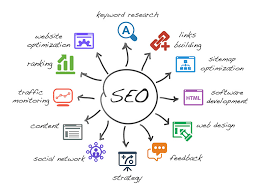
SEO & Marketing: A Practical Guide for Law Firms
SEO and Marketing: A Practical Guide for Law Firms
For many people looking for legal advice, the search begins online. They may be trying to understand their options, compare local firms or find a solicitor with experience in a particular area of law. A thoughtful approach to search engine optimisation (SEO) and marketing can help a law firm become easier to find and give potential clients a clearer sense of how it can help.
What is SEO?
SEO is the process of improving a website so that it can be found more easily through unpaid search results. It combines useful content, sound technical foundations and signals that help search engines understand what a website offers.
SEO is not a quick fix or a guarantee of a particular ranking. Search results change over time, and success depends on factors such as competition, location, website quality and the relevance of a firm’s content. A consistent, user-focused approach is generally more valuable than chasing short-term tricks.
Why SEO matters to law firms
Legal services are often closely connected to a person’s location and circumstances. Someone looking for help with a conveyancing matter, employment dispute or family law issue may search for specific information before deciding whom to contact. Clear and relevant online content can help a firm appear at the right point in that journey.
Good SEO can also improve the experience of visiting a website. Well-organised pages, clear explanations and straightforward contact details make it easier for people to find the information they need, whether they arrive through a search engine or another channel.
Key parts of an effective SEO strategy
Useful, accurate content
Content should answer genuine questions and explain legal services in accessible language. Practice-area pages, guides and frequently asked questions can help visitors understand what a firm does and what the next steps might be. Legal information should be carefully checked, kept up to date and presented without promising outcomes.
Relevant search terms
Keyword research helps identify the words and phrases people use when looking for legal services. These might include a type of service, a location or a common question. Search terms should be included naturally in relevant page titles, headings and copy—not forced into every paragraph.
Technical performance
A website should load reliably, work well on mobile devices and be easy for people and search engines to navigate. Secure connections, sensible page structure and clear internal links all contribute to a more accessible site. Technical improvements are most effective when they support real users rather than exist solely to satisfy a checklist.
Local visibility
For firms serving particular towns or regions, accurate local business information can be important. Keep contact details consistent across online directories and make sure the firm’s location and services are clearly described. Reviews can also influence people’s decisions, so they should be handled professionally and in line with relevant rules and guidance.
SEO is one part of marketing
SEO works best as part of a wider marketing plan. A firm might also use email, social media, paid search advertising, events or referral relationships to reach its audience. Each channel has a different role: some build awareness, while others help people take the next step when they are ready to seek advice.
Consistency matters across these channels. A clear message, recognisable brand and helpful information can build confidence over time. Marketing should reflect the firm’s actual expertise and services, and all communications should be accurate, responsible and appropriate for the legal sector.
Measuring progress
Rankings alone do not show whether marketing is working. Law firms can also look at relevant website visits, enquiries, calls, contact-form submissions and engagement with key pages. These measures should be interpreted carefully: a rise in traffic is not necessarily valuable if it does not reach the right audience or lead to meaningful enquiries.
Regular reviews can reveal which content is useful, where visitors leave the site and which channels are contributing to results. Use that information to refine the strategy, rather than making changes based on short-term fluctuations alone.
Building a sustainable approach
Effective SEO and marketing take time, planning and ongoing attention. Start with a well-structured website, a clear understanding of the firm’s audience and content that responds to real needs. Then review performance, update information and improve the areas that matter most.
By putting people first and treating SEO as part of a broader marketing strategy, law firms can create a stronger online presence and make it easier for prospective clients to find clear, relevant information.
17 Common Questions About SEO and Marketing: A Comprehensive Guide
- What is the 3 3 3 rule in marketing?
- What is marketing and SEO?
- How can SEO be used in marketing?
- How to do SEO for beginners?
- What is the meaning of SEO on Fiverr?
- What is SEO for marketing?
- Is SEO and marketing the same?
- How does SEO relate to marketing?
- What is SEO skills for marketing?
- Is SEO the same as marketing?
- What is an SEO salary?
- What is SEO and how does it work?
- Is SEO a type of marketing?
- What are the 4 types of SEO?
- What is SEO in marketing?
- What are examples of SEO marketing?
- Whats does SEO mean?
What is the 3 3 3 rule in marketing?
The 3-3-3 rule in marketing has no single, universally accepted definition. One commonly used interpretation is to capture someone’s attention in the first three seconds, communicate the value of your message clearly and quickly, and give them a simple next step. The exact meaning can vary between marketing teams, so it is best treated as a reminder to make campaigns engaging, focused and easy to act on—not as a strict formula.
What is marketing and SEO?
Marketing is the way a business communicates the value of its services and reaches the people who may need them. Search engine optimisation (SEO) is one part of marketing: it helps improve a website’s visibility in unpaid search results by making its content useful, relevant and easy to navigate. Together, marketing and SEO can help a law firm connect with prospective clients, answer their questions and make it easier for them to learn about its services.
How can SEO be used in marketing?
SEO can be used in marketing to help your website appear in search results when people look for services, information or answers related to your business. By creating useful, relevant content, using appropriate search terms and improving your website’s structure and performance, you can attract more of the right visitors without relying solely on paid advertising. SEO also supports wider marketing efforts by building visibility and trust over time, while analytics can show which pages and topics are contributing to enquiries.
How to do SEO for beginners?
For beginners, SEO starts with making your website useful, clear and easy to navigate. Identify the questions your audience is searching for, then create accurate, helpful pages that answer them in plain English. Use relevant search terms naturally in page titles, headings and copy, make sure your site works well on mobile and loads quickly, and add clear links between related pages. If you serve a particular area, keep your business details consistent online. SEO takes time, so check your website’s performance regularly and improve your content based on what visitors find useful.
What is the meaning of SEO on Fiverr?
On Fiverr, “SEO” usually refers to services designed to improve a website’s visibility in search engine results, such as keyword research, on-page optimisation, technical checks and link-building. Some sellers also offer “Fiverr gig SEO”, which means optimising a Fiverr listing—its title, description, tags and images—to help it appear more prominently in Fiverr’s own search results. Services and quality vary, so check exactly what a seller includes and avoid promises of guaranteed rankings.
What is SEO for marketing?
SEO for marketing is the practice of improving a website so it is more visible in unpaid search engine results and easier for potential customers to use. It involves creating helpful, relevant content, using search terms naturally, improving site speed and navigation, and making sure pages work well on mobile devices. As part of a wider marketing strategy, SEO can help connect a business with people actively searching for its products or services, although results usually take time and cannot be guaranteed.
Is SEO and marketing the same?
No, SEO and marketing are not the same. Marketing is the broader activity of promoting a business and connecting with potential clients through channels such as advertising, social media, email and public relations. SEO, or search engine optimisation, is one part of digital marketing: it helps improve a website’s visibility in unpaid search results. Used together, SEO and other marketing activities can help a law firm reach the right audience and build awareness over time.
How does SEO relate to marketing?
SEO is an important part of digital marketing. It helps improve a website’s visibility in unpaid search results, making it easier for people to discover a business when they are looking for relevant services or information. As part of a wider marketing strategy, SEO can work alongside channels such as content marketing, social media, email and paid advertising to attract the right audience, build trust and encourage enquiries.
What is SEO skills for marketing?
SEO skills for marketing are the abilities needed to improve a website’s visibility in search engines and attract relevant visitors. They include researching the terms people use, creating useful content, optimising page titles and headings, understanding technical factors such as site speed and mobile usability, and using analytics to measure results. Strong SEO marketers also keep up with changes in search behaviour and use data to refine their approach over time.
Is SEO the same as marketing?
No. SEO (search engine optimisation) is one part of marketing, focused on improving a website’s visibility in unpaid search results. Marketing is broader and can include SEO as well as paid advertising, social media, email, public relations and other ways of reaching and engaging potential customers. SEO works best when it supports a wider marketing strategy.
What is an SEO salary?
An SEO salary is the pay earned by a professional who helps websites improve their visibility in search engine results. In the UK, it varies depending on experience, location, specialist skills and whether the role is in-house, agency-based or freelance. Entry-level positions typically pay less than senior roles, which may involve leading strategy, managing teams or overseeing large campaigns. Salaries can also differ according to the employer and the scope of the work.
What is SEO and how does it work?
SEO (search engine optimisation) is the process of improving a website so that it is more likely to appear in relevant, unpaid search results. It works by helping search engines understand a site’s content and assess how useful it may be to people searching for particular information or services. This can involve creating clear, helpful content, using relevant search terms naturally, improving website speed and mobile usability, and organising pages so they are easy to navigate. SEO takes time and ongoing attention, and results can vary depending on competition and other factors.
Is SEO a type of marketing?
Yes, SEO is a type of digital marketing. It focuses on improving a website’s visibility in unpaid search engine results, helping people find relevant information, products or services. SEO is often most effective when combined with other marketing activities, such as content marketing, social media and paid advertising.
What are the 4 types of SEO?
The four commonly recognised types of SEO are on-page, off-page, technical and local SEO. On-page SEO focuses on the content and elements of your website, such as headings, page titles and relevant search terms. Off-page SEO involves building your site’s reputation through signals from elsewhere online, including links from reputable websites. Technical SEO helps search engines access and understand your site, covering factors such as loading speed, mobile usability and site structure. Local SEO helps businesses appear in searches connected to a particular area, using accurate business details, location-focused pages and local listings. These areas often overlap, so an effective strategy considers them together.
What is SEO in marketing?
SEO, or search engine optimisation, is the process of improving a website so it is more likely to appear in relevant unpaid search results. In marketing, it helps businesses reach people who are actively looking for their services by making web pages more useful, accessible and easy for search engines to understand. SEO can include creating relevant content, improving site speed and navigation, and strengthening local listings. It is a long-term activity rather than a quick fix, and it works best as part of a broader marketing strategy.
What are examples of SEO marketing?
Examples of SEO marketing include researching the phrases potential clients use when searching online, creating helpful service pages and articles around those topics, and improving a website’s titles, headings, loading speed and mobile usability. A law firm might also optimise its local listings, keep its contact details consistent across directories, and earn relevant links from reputable websites. Together, these activities can make a website easier to find and more useful to visitors, although SEO takes time and cannot guarantee specific search rankings.
Whats does SEO mean?
SEO stands for search engine optimisation. It means improving a website so it is easier for people to find through search engines such as Google. This can involve creating helpful, relevant content, making the site straightforward to use, improving its technical performance and ensuring key information is clear. SEO aims to attract visitors who are searching for services or information a business provides; it does not guarantee a particular ranking or result.