

Top Search Engines: The Best Options for Finding What You Need
Top Search Engines: A Guide to the Biggest Names in Search
Search engines help people find information, products and services across the web. Google may be the best-known name, but it is far from the only option. Different search engines offer different features, privacy settings and regional strengths.
Here is an overview of some of the world’s leading search engines and what makes each one worth knowing.
Google
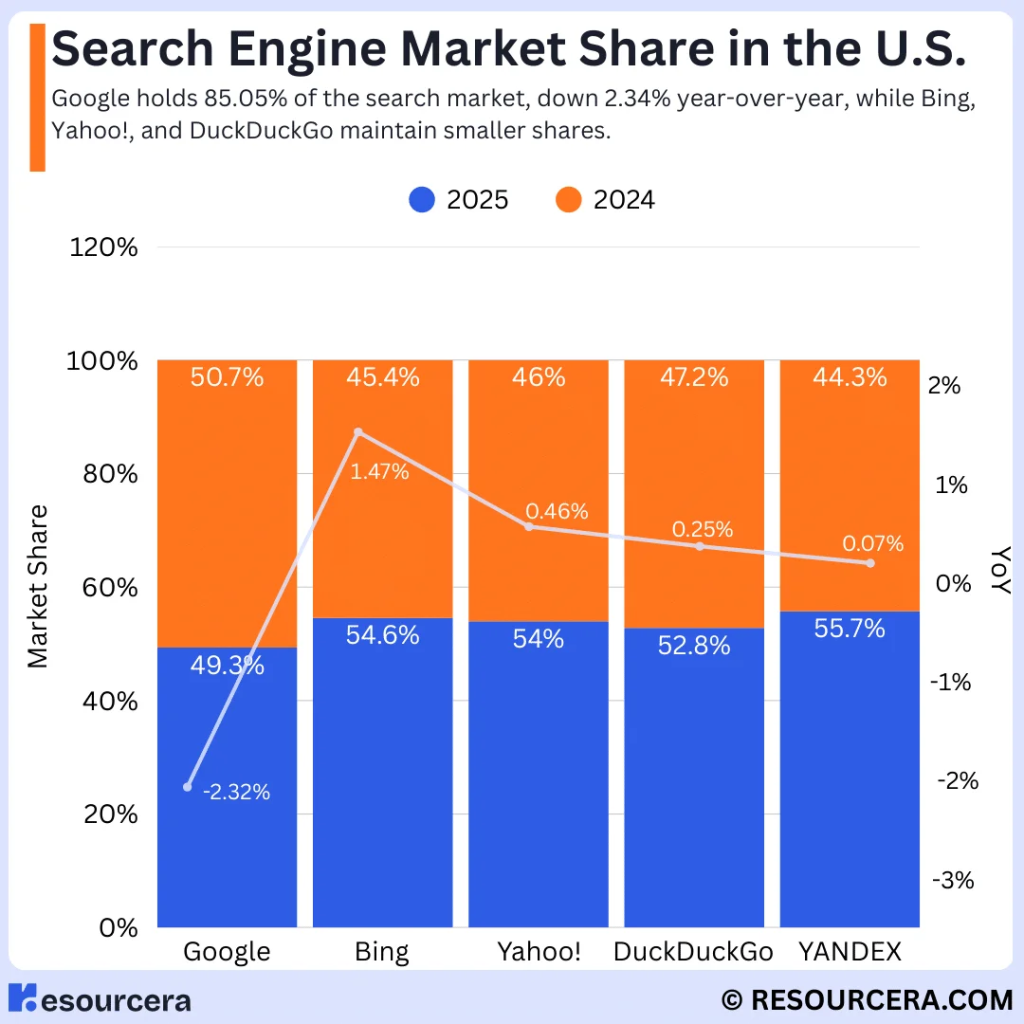
Google is the most widely used search engine in many countries. It is known for its extensive index of web pages, fast results and range of features, including maps, image search, news, shopping results and local business listings.
Google’s results are personalised to some extent, using signals such as location and previous activity. This can make searches more relevant, although people who value privacy may prefer an alternative.
Microsoft Bing
Bing is Microsoft’s search engine and the default search service for Microsoft Edge. It provides web, image, video and map searches, as well as tools such as visual search and rewards programmes in some markets.
Bing is also integrated with Microsoft products and services. For businesses, it is worth considering as part of a search marketing strategy rather than focusing exclusively on Google.
Yahoo
Yahoo remains a recognisable name in search, particularly in markets where people use its news, email and other online services. Its search results are supplied through partnerships, which can vary by region and over time.
Yahoo may suit people who prefer to access search alongside other portal-style services, such as news and finance content.
Baidu
Baidu is a major search engine in China. It offers web search alongside services such as maps, news and cloud products, and is designed for Chinese-language users and local content.
Businesses aiming to reach audiences in China may need to understand Baidu’s requirements and the country’s online landscape. Strategies designed for Google do not automatically translate to Baidu.
Yandex
Yandex is a prominent technology company and search provider in Russia and some neighbouring markets. Its services include search, maps and other online tools.
Like other regionally strong search engines, Yandex reflects local languages, user habits and market conditions. Its relevance will depend on the audience a business is trying to reach.
DuckDuckGo
DuckDuckGo is best known for its privacy-focused approach. It says it does not track users in the same way as services that build search histories for personalisation and advertising.
Its results and features may differ from those of larger competitors, but it is a popular option for people who want a straightforward search experience with a stronger emphasis on privacy.
Ecosia
Ecosia is a search engine that uses advertising revenue to support environmental projects, including tree-planting initiatives. It publishes information about its impact and finances, allowing users to learn more about how the service operates.
For people who want their everyday online activity to support a stated environmental mission, Ecosia offers an alternative to mainstream search engines.
Brave Search
Brave Search is the search service associated with the Brave browser. It places an emphasis on privacy and uses its own search index, while also drawing on other sources where appropriate.
It may appeal to users who want to reduce reliance on large technology platforms or who already use the Brave browser.
Naver
Naver is a leading online platform in South Korea. Its search experience brings together web results and content from services within its wider ecosystem, including blogs, news and shopping.
For organisations seeking to reach South Korean audiences, Naver can be an important platform to understand alongside global search engines.
Which Search Engine Is Best?
There is no single best search engine for every person or purpose. The right choice depends on what matters most:
- Broad reach and a wide range of features: Google
- Integration with Microsoft products: Bing
- Privacy-focused searching: DuckDuckGo or Brave Search
- Environmental impact: Ecosia
- Reaching specific regional audiences: Baidu, Yandex or Naver, depending on the market
Why Search Engines Matter to Businesses
Search engines are a major way for potential customers to discover businesses, compare services and find answers to their questions. A strong online presence can involve creating useful content, keeping business information accurate and making sure a website is easy to use on mobile devices.
Search behaviour varies between audiences, so businesses should consider where their customers are based and which platforms they use. Monitoring website traffic and search performance can help identify where to focus marketing efforts.
Final Thoughts
Google remains the most familiar search engine for many people, but alternatives such as Bing, DuckDuckGo, Ecosia and regionally focused services all have distinct strengths. Comparing their features can help users find the experience that suits them—and help businesses make more informed decisions about where to build their visibility online.
Top Search Engines: 8 Frequently Asked Questions
- What are the top search engines in the UK?
- Which search engine is the most popular worldwide?
- What is the best alternative to Google?
- Which search engines offer the strongest privacy protections?
- How do search engines rank their results?
- Are search engines such as Bing and DuckDuckGo as good as Google?
- Which search engines are most popular in China, Russia and South Korea?
- How can a business improve its visibility across different search engines?
What are the top search engines in the UK?
The most widely used search engines in the UK are Google and Microsoft Bing, with Google holding the largest share by a considerable margin. Other options include Yahoo, DuckDuckGo and Ecosia, which appeal to users seeking different features, greater privacy or an environmental focus. Rankings can vary depending on the device and how usage is measured, but Google remains the leading choice for most UK searchers.
Which search engine is the most popular worldwide?
Google is the most popular search engine worldwide, holding the largest share of global search activity across desktop and mobile devices. Its lead is supported by its extensive index, familiar tools and integration with services such as Android and Chrome. However, search habits vary by country and device, so alternatives such as Bing, Baidu and Yandex may be more prominent in particular markets.
What is the best alternative to Google?
The best alternative to Google depends on what matters most to you. Microsoft Bing is a strong all-round option, with web, image and video search plus useful integration with Microsoft services. If privacy is your priority, DuckDuckGo is a popular choice, while Ecosia may appeal if you’d like your searches to support environmental projects. Try a few options to see which provides the results and features that suit you best.
Which search engines offer the strongest privacy protections?
DuckDuckGo, Brave Search and Startpage are popular choices for people seeking stronger privacy protections. They generally aim to limit personal profiling and avoid linking searches to identifiable user profiles, although their approaches differ: Startpage, for example, provides results from other search providers, while Brave Search uses its own index. Privacy policies and features can change, so it is worth checking how each service handles search data, cookies and location information—and remembering that your browser, device and internet provider may still collect information.
How do search engines rank their results?
Search engines rank results using complex algorithms that assess how well each page matches a query and how useful it is likely to be. They may consider factors such as the content’s relevance and quality, the website’s authority, the user’s location, the page’s loading speed and mobile usability, and the context of the search. The exact methods vary between search engines and are regularly updated, so there is no guaranteed way to secure a particular position.
Are search engines such as Bing and DuckDuckGo as good as Google?
Yes, Bing and DuckDuckGo can be just as useful as Google for many everyday searches, including finding websites, images and local information. The results may differ: Bing has its own search index, while DuckDuckGo combines results from several sources, including Bing. Google may perform better for some queries or offer more integrated features, but the best choice depends on your needs, location and preference for privacy.
Which search engines are most popular in China, Russia and South Korea?
In China, Baidu is the leading domestic search engine, although users also access services such as Bing. In Russia, Yandex is a major search provider, alongside Google. In South Korea, Naver remains a popular home-grown platform, while Google is also widely used. Popularity can vary by audience, device and how it is measured.
How can a business improve its visibility across different search engines?
A business can improve its visibility across different search engines by building a fast, mobile-friendly website with clear navigation, useful and regularly updated content, and accurate information about its products or services. Use relevant search terms naturally, apply sound technical SEO practices, and keep business details consistent across directories and local listings. As search engines can differ in how they rank and display results, check performance across the platforms your audience uses and adapt your approach based on the data.