

Mastering On-Page and Off-Page SEO Strategies for Website Success
The Importance of On-Page and Off-Page SEO
Search Engine Optimization (SEO) is crucial for any website looking to improve its visibility and rankings on search engine results pages. Two key components of SEO are on-page and off-page optimization, each playing a vital role in enhancing a website’s performance.
On-Page SEO
On-page SEO refers to the optimization strategies implemented directly on the website itself. This includes factors such as keyword research, meta tags, title tags, content quality, internal linking, and site speed. By focusing on on-page SEO, website owners can ensure that their content is relevant, well-structured, and easily accessible to both users and search engines.
Off-Page SEO
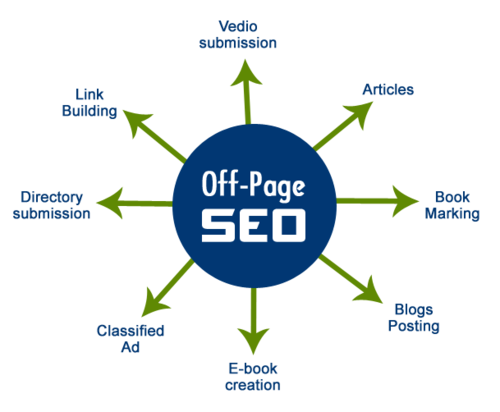
Off-page SEO, on the other hand, involves external factors that impact a website’s visibility in search engine results. This includes backlink building, social media marketing, influencer outreach, and online reputation management. Off-page SEO helps establish a website’s authority and credibility in the eyes of search engines by demonstrating its popularity among users.
The Relationship Between On-Page and Off-Page SEO
Both on-page and off-page SEO are essential for achieving optimal search engine rankings. While on-page SEO focuses on improving the website’s content and structure, off-page SEO enhances its reputation and authority across the web. A harmonious combination of both strategies can lead to improved organic traffic, higher rankings, and increased visibility for a website.
Conclusion
In conclusion, on-page and off-page SEO are two integral components of a successful digital marketing strategy. By paying attention to both aspects of optimization, website owners can create a strong online presence that attracts organic traffic and boosts their search engine rankings. Investing time and effort into implementing effective on-page and off-page SEO techniques can significantly benefit a website’s performance in today’s competitive online landscape.
Understanding On-Page vs Off-Page SEO: Key Differences, Impact on Rankings, Best Practices, and Effective Strategies
- What is the difference between on-page and off-page SEO?
- How does on-page SEO impact search engine rankings?
- What are some best practices for on-page SEO optimization?
- Why is off-page SEO important for a website’s visibility?
- What are effective strategies for building backlinks in off-page SEO?
What is the difference between on-page and off-page SEO?
The fundamental difference between on-page and off-page SEO lies in the focus of their optimization efforts. On-page SEO involves refining elements directly on the website itself, such as content quality, meta tags, and internal linking structure, to enhance its relevance and accessibility to search engines. In contrast, off-page SEO concentrates on external factors like backlink building, social media presence, and online reputation management to establish the website’s authority and credibility across the web. While on-page SEO optimises the website’s internal components, off-page SEO aims to boost its reputation and visibility beyond its own domain through various external strategies. Both aspects are essential for a comprehensive SEO strategy that drives organic traffic and improves search engine rankings.
How does on-page SEO impact search engine rankings?
On-page SEO plays a crucial role in influencing search engine rankings by ensuring that a website’s content is optimised for relevant keywords, structured effectively with appropriate meta tags and title tags, and offers a seamless user experience. Search engines like Google value websites that provide high-quality, relevant content to users, and on-page SEO helps in communicating the relevance of a website’s content to search engines. By implementing on-page SEO best practices, website owners can improve their chances of ranking higher in search engine results pages, attracting more organic traffic, and ultimately enhancing their online visibility and authority.
What are some best practices for on-page SEO optimization?
When it comes to on-page SEO optimization, there are several best practices that can help improve a website’s visibility and search engine rankings. Some key strategies include conducting thorough keyword research to target relevant terms, optimising meta tags such as title tags and meta descriptions for each page, creating high-quality and engaging content that is valuable to users, ensuring proper internal linking to enhance site structure and user experience, and optimising images with descriptive alt text. By following these best practices for on-page SEO, website owners can increase their chances of ranking higher in search results and attracting more organic traffic to their site.
Why is off-page SEO important for a website’s visibility?
Off-page SEO plays a crucial role in enhancing a website’s visibility by establishing its credibility and authority across the web. Through off-page strategies such as backlink building, social media marketing, influencer outreach, and online reputation management, a website can demonstrate to search engines its popularity and relevance within its industry. These external factors contribute to improving the website’s overall reputation, which in turn boosts its search engine rankings and increases its visibility to potential users. In essence, off-page SEO acts as a validation of a website’s quality and trustworthiness in the eyes of search engines, ultimately leading to greater online visibility and organic traffic.
What are effective strategies for building backlinks in off-page SEO?
When it comes to building backlinks in off-page SEO, there are several effective strategies that can help enhance a website’s authority and visibility. One key strategy is to focus on creating high-quality, relevant content that naturally attracts links from other reputable websites. Engaging in guest blogging on industry-related sites, participating in online forums and communities, and leveraging social media platforms for sharing content are also effective ways to earn valuable backlinks. Additionally, reaching out to influencers or industry experts for collaborations and partnerships can further boost a website’s backlink profile and improve its search engine rankings. By employing a combination of these strategies thoughtfully and consistently, website owners can strengthen their off-page SEO efforts and drive organic traffic to their site.