
Maximising Online Visibility: The Power of On-Page Optimization in Digital Marketing
The Importance of On-Page Optimization in Digital Marketing
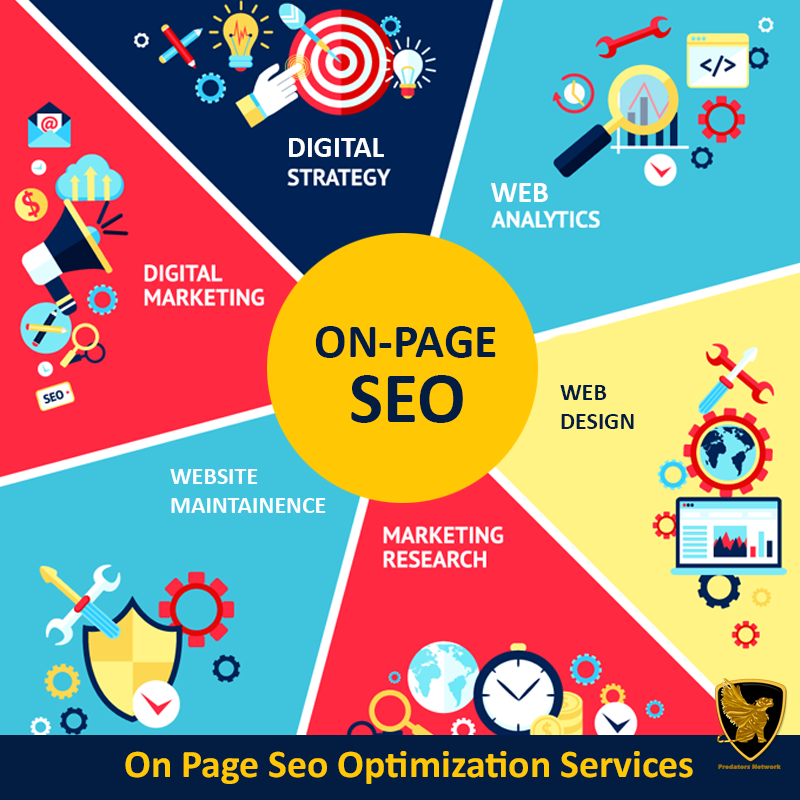
In the realm of digital marketing, on-page optimization plays a crucial role in enhancing a website’s visibility and search engine rankings. This process involves fine-tuning various elements on a webpage to make it more search engine-friendly and user-friendly.
Key Aspects of On-Page Optimization:
- Keyword Placement: Strategically placing relevant keywords throughout the content helps search engines understand the context of the page.
- Meta Tags: Optimizing meta tags, including meta titles and descriptions, can improve click-through rates from search engine results pages.
- Quality Content: Creating high-quality, engaging content that is valuable to users can lead to higher rankings and increased user engagement.
- Internal Linking: Linking to other relevant pages within your website helps search engines navigate your site and improves user experience.
- Optimized Images: Using descriptive filenames and alt text for images can improve accessibility and help search engines understand the content of the images.
The Benefits of On-Page Optimization:
Effective on-page optimization can result in several benefits for a website, including:
- Improved Search Engine Rankings: By following best practices for on-page optimization, websites are more likely to rank higher in search engine results pages (SERPs).
- Enhanced User Experience: Optimizing on-page elements such as content and navigation can create a better user experience, leading to increased engagement and lower bounce rates.
- Increase in Organic Traffic: Higher rankings in search results can attract more organic traffic to a website, resulting in potential leads and conversions.
- Better Conversion Rates: When users find what they are looking for easily on a well-optimized webpage, they are more likely to take desired actions, such as making a purchase or filling out a form.
In conclusion, on-page optimization is an essential aspect of digital marketing that should not be overlooked. By implementing best practices and continuously monitoring performance metrics, businesses can improve their online visibility, attract more organic traffic, and ultimately achieve their marketing goals.
21 Frequently Asked Questions About On-Page Optimisation in Digital Marketing
- What are the 3 primary components of on page optimization?
- What is on page Optimisation technique?
- What is SEO in digital marketing?
- What is an example of on-page optimization?
- What is on and off page optimization?
- What is on-page optimization and off-page optimization in digital marketing?
- What are the 3 primary components of on-page optimization?
- What is on and off-page optimization?
- Why on page optimization is important?
- How we can do on-page optimization?
- What are the on page optimization techniques?
- What is off-page optimization in digital marketing?
- What are examples of on-page optimization factors?
- What is on page optimization techniques?
- What is off-page and on page optimization?
- What is on-page optimization in digital marketing?
- What is on page and off page optimization?
- What is on-page Optimisation technique?
- What is on-page optimization example?
- What is on page and off-page optimization in digital marketing?
- What is the on-page optimisation process of SEO?
What are the 3 primary components of on page optimization?
In the realm of digital marketing, understanding the three primary components of on-page optimization is crucial for enhancing a website’s visibility and search engine rankings. These components include strategic keyword placement, optimisation of meta tags such as meta titles and descriptions, and the creation of high-quality, relevant content. By focusing on these key elements, businesses can improve their online presence, attract more organic traffic, and ultimately drive better results in their digital marketing efforts.
What is on page Optimisation technique?
On-page optimization technique refers to the process of strategically enhancing various elements within a webpage to improve its visibility and performance in search engine results. This technique involves implementing best practices such as keyword placement, meta tag optimization, quality content creation, internal linking, and image optimization. By focusing on these aspects, websites can effectively communicate their relevance to search engines and provide a better user experience for visitors. On-page optimization is a fundamental component of digital marketing that aims to boost search engine rankings, increase organic traffic, and drive conversions by ensuring that webpages are structured and designed in a way that aligns with both user intent and search engine algorithms.
What is SEO in digital marketing?
In the realm of digital marketing, Search Engine Optimization (SEO) is a fundamental strategy aimed at enhancing a website’s visibility and ranking on search engine results pages. SEO involves a range of techniques, including on-page optimization, content creation, link building, and keyword research, all with the goal of improving a website’s organic traffic and attracting relevant visitors. By implementing SEO best practices, businesses can increase their online presence, reach their target audience more effectively, and ultimately drive conversions and achieve their marketing objectives.
What is an example of on-page optimization?
An example of on-page optimization in digital marketing is the strategic placement of relevant keywords within a webpage’s content. By incorporating targeted keywords that align with the search intent of users, search engines can better understand the context of the page and rank it higher in search results. This practice not only improves visibility but also enhances the overall relevance and quality of the content for both users and search engines, ultimately driving organic traffic to the website.
What is on and off page optimization?
In the realm of digital marketing, on-page and off-page optimization are two fundamental strategies used to enhance a website’s visibility and search engine rankings. On-page optimization focuses on refining elements within a webpage itself, such as keyword placement, meta tags, content quality, and internal linking. In contrast, off-page optimization involves activities conducted outside the website to improve its authority and relevance, such as link building and social media marketing. Both on-page and off-page optimization are essential components of a comprehensive digital marketing strategy aimed at boosting organic traffic, improving user experience, and achieving higher search engine rankings.
What is on-page optimization and off-page optimization in digital marketing?
In digital marketing, on-page optimization and off-page optimization are two essential strategies that work hand in hand to improve a website’s visibility and search engine rankings. On-page optimization refers to the process of fine-tuning various elements within a webpage itself, such as content, meta tags, and internal linking, to make it more search engine-friendly and user-friendly. On the other hand, off-page optimization involves activities conducted outside of the website, such as link building and social media marketing, to enhance the website’s authority and reputation in the eyes of search engines. Both on-page and off-page optimization are crucial components of a comprehensive digital marketing strategy aimed at increasing organic traffic, improving user experience, and ultimately achieving business objectives.
What are the 3 primary components of on-page optimization?
In the realm of on-page optimization in digital marketing, the three primary components that form the foundation of a well-optimized webpage are keyword placement, meta tags, and quality content. Strategically placing relevant keywords throughout the content helps search engines understand the context of the page, while optimizing meta tags, including meta titles and descriptions, can improve click-through rates from search engine results pages. Additionally, creating high-quality and engaging content that provides value to users not only enhances user experience but also contributes to higher search engine rankings. These key components work together to enhance a website’s visibility and attract organic traffic, ultimately driving success in digital marketing efforts.
What is on and off-page optimization?
In the realm of digital marketing, on-page and off-page optimization are two essential strategies that work hand in hand to improve a website’s visibility and search engine rankings. On-page optimization focuses on refining elements within a webpage itself, such as content, meta tags, and internal linking, to make it more search engine-friendly and user-friendly. On the other hand, off-page optimization involves external factors like backlinks from other websites, social media signals, and online reputation management to enhance a site’s authority and credibility in the eyes of search engines. Both on-page and off-page optimization are crucial components of a holistic digital marketing strategy aimed at boosting online presence and driving organic traffic to a website.
Why on page optimization is important?
On-page optimization is crucial in digital marketing because it directly impacts a website’s visibility and performance in search engine results. By strategically fine-tuning elements such as keyword placement, meta tags, content quality, internal linking, and image optimization, businesses can improve their search engine rankings and attract more organic traffic. A well-optimized webpage not only enhances user experience by providing relevant and valuable content but also increases the likelihood of conversions. Ultimately, on-page optimization serves as a foundation for successful digital marketing campaigns, helping businesses reach their target audience effectively and achieve their online marketing objectives.
How we can do on-page optimization?
To effectively conduct on-page optimization in digital marketing, it is essential to follow a structured approach that focuses on key elements such as keyword research, content creation, meta tag optimization, internal linking, and image optimization. Begin by identifying relevant keywords that align with your target audience’s search intent and strategically incorporate them into your content. Craft high-quality and engaging content that provides value to users while ensuring it is well-structured and easy to read. Optimise meta tags like titles and descriptions to accurately reflect the page’s content and entice users to click. Utilise internal linking to guide users through your website and enhance navigation. Additionally, optimising images with descriptive filenames and alt text can improve accessibility and search engine understanding. Regular monitoring and adjustments based on performance data are crucial for ongoing success in on-page optimization efforts.
What are the on page optimization techniques?
When it comes to on-page optimization techniques in digital marketing, there are several key strategies that can significantly impact a website’s visibility and performance. These techniques include strategic placement of relevant keywords throughout the content, optimization of meta tags such as titles and descriptions, creation of high-quality and engaging content, implementation of internal linking to improve site navigation, and proper optimization of images with descriptive filenames and alt text. By incorporating these on-page optimization techniques effectively, businesses can enhance their search engine rankings, improve user experience, increase organic traffic, and ultimately drive better conversion rates.
What is off-page optimization in digital marketing?
Off-page optimization in digital marketing refers to the strategies and techniques implemented outside of a website to improve its search engine rankings and online visibility. Unlike on-page optimization, which focuses on optimizing elements within a website, off-page optimization involves activities such as link building, social media marketing, influencer outreach, and online reputation management. These external efforts aim to enhance a website’s authority, credibility, and relevance in the eyes of search engines and users. Off-page optimization is essential for building a strong online presence and driving organic traffic to a website through reputable external sources.
What are examples of on-page optimization factors?
When it comes to on-page optimization in digital marketing, there are several key factors that can significantly impact a website’s performance. Examples of on-page optimization factors include strategically placing relevant keywords throughout the content, optimizing meta tags such as meta titles and descriptions, creating high-quality and engaging content that adds value to users, implementing internal linking to improve site navigation and user experience, and using optimized images with descriptive filenames and alt text. These factors play a crucial role in enhancing a website’s visibility, search engine rankings, and overall user engagement.
What is on page optimization techniques?
On-page optimization techniques refer to the practices and strategies used to enhance various elements within a webpage to improve its search engine visibility and user experience. These techniques typically involve optimizing content, meta tags, images, internal linking, and other on-page elements to make the webpage more relevant and valuable to both users and search engines. By implementing on-page optimization techniques effectively, businesses can increase their chances of ranking higher in search engine results pages (SERPs) and attracting more organic traffic to their website.
What is off-page and on page optimization?
In the realm of digital marketing, understanding the difference between off-page and on-page optimization is crucial for a comprehensive SEO strategy. On-page optimization refers to the practice of fine-tuning elements on a webpage itself to improve search engine rankings, such as keyword placement, meta tags, and content quality. On the other hand, off-page optimization involves activities outside the website that aim to boost its credibility and authority in the eyes of search engines, such as link building and social media engagement. Both on-page and off-page optimization are essential components of a successful digital marketing campaign, working together to enhance a website’s visibility and drive organic traffic.
What is on-page optimization in digital marketing?
On-page optimization in digital marketing refers to the process of fine-tuning various elements on a webpage to enhance its visibility and relevance for search engines. This includes strategically placing relevant keywords, optimizing meta tags, creating high-quality content, internal linking, and using optimized images. By focusing on on-page optimization, businesses can improve their search engine rankings, attract more organic traffic, enhance user experience, and ultimately increase conversions. It is a fundamental aspect of digital marketing that plays a crucial role in achieving online success and reaching target audiences effectively.
What is on page and off page optimization?
In the realm of digital marketing, on-page and off-page optimization are two fundamental strategies used to enhance a website’s visibility and search engine rankings. On-page optimization refers to the process of fine-tuning various elements within a webpage, such as keyword placement, meta tags, content quality, and internal linking, to make it more search engine-friendly and user-friendly. On the other hand, off-page optimization involves activities conducted outside the website itself, such as link building, social media marketing, and influencer outreach, to improve the site’s authority and reputation in the eyes of search engines. Both on-page and off-page optimization are essential components of a comprehensive digital marketing strategy aimed at driving organic traffic, increasing user engagement, and ultimately achieving online success.
What is on-page Optimisation technique?
On-page optimisation technique refers to the practice of fine-tuning various elements within a webpage to enhance its visibility and performance in search engine results. This technique involves strategically incorporating relevant keywords, optimizing meta tags, creating high-quality content, implementing internal linking, and optimizing images to improve the overall user experience and search engine rankings of a website. By focusing on these on-page elements, digital marketers can effectively communicate the relevance and value of their content to search engines and users alike, ultimately driving organic traffic and achieving marketing objectives.
What is on-page optimization example?
In the realm of digital marketing, an example of on-page optimization is the strategic placement of relevant keywords within the content of a webpage. By incorporating these keywords naturally and effectively into the text, headings, and meta tags of a page, businesses can signal to search engines the relevance and context of their content. This practice not only helps improve the visibility of the webpage in search engine results but also enhances user experience by providing valuable and targeted information to visitors. Ultimately, on-page optimization examples like keyword placement demonstrate how small but impactful adjustments can make a significant difference in a website’s search engine rankings and overall performance.
What is on page and off-page optimization in digital marketing?
In digital marketing, on-page and off-page optimization are two key strategies used to enhance a website’s visibility and search engine rankings. On-page optimization focuses on refining elements within a webpage itself, such as keyword placement, meta tags, content quality, internal linking, and image optimization. In contrast, off-page optimization involves activities conducted outside the website to improve its authority and reputation, such as link building, social media marketing, influencer collaborations, and online PR efforts. Both on-page and off-page optimization are essential components of a comprehensive digital marketing strategy aimed at boosting organic traffic, improving user experience, and achieving higher search engine rankings.
What is the on-page optimisation process of SEO?
The on-page optimisation process of SEO involves a series of strategic steps aimed at enhancing the visibility and relevance of a webpage to search engines. This process typically includes keyword research and placement, meta tag optimisation, content creation and optimisation, internal linking, image optimization, and ensuring overall website usability. By meticulously fine-tuning these on-page elements according to best practices, websites can improve their search engine rankings, attract more organic traffic, enhance user experience, and ultimately achieve their digital marketing objectives.