

Mastering the Art of On-Page and Off-Page SEO Strategies
The Importance of On-Page and Off-Page SEO
Search Engine Optimization (SEO) is a crucial aspect of digital marketing that helps websites rank higher in search engine results pages (SERPs). Two key components of SEO are on-page and off-page optimization.
On-Page SEO
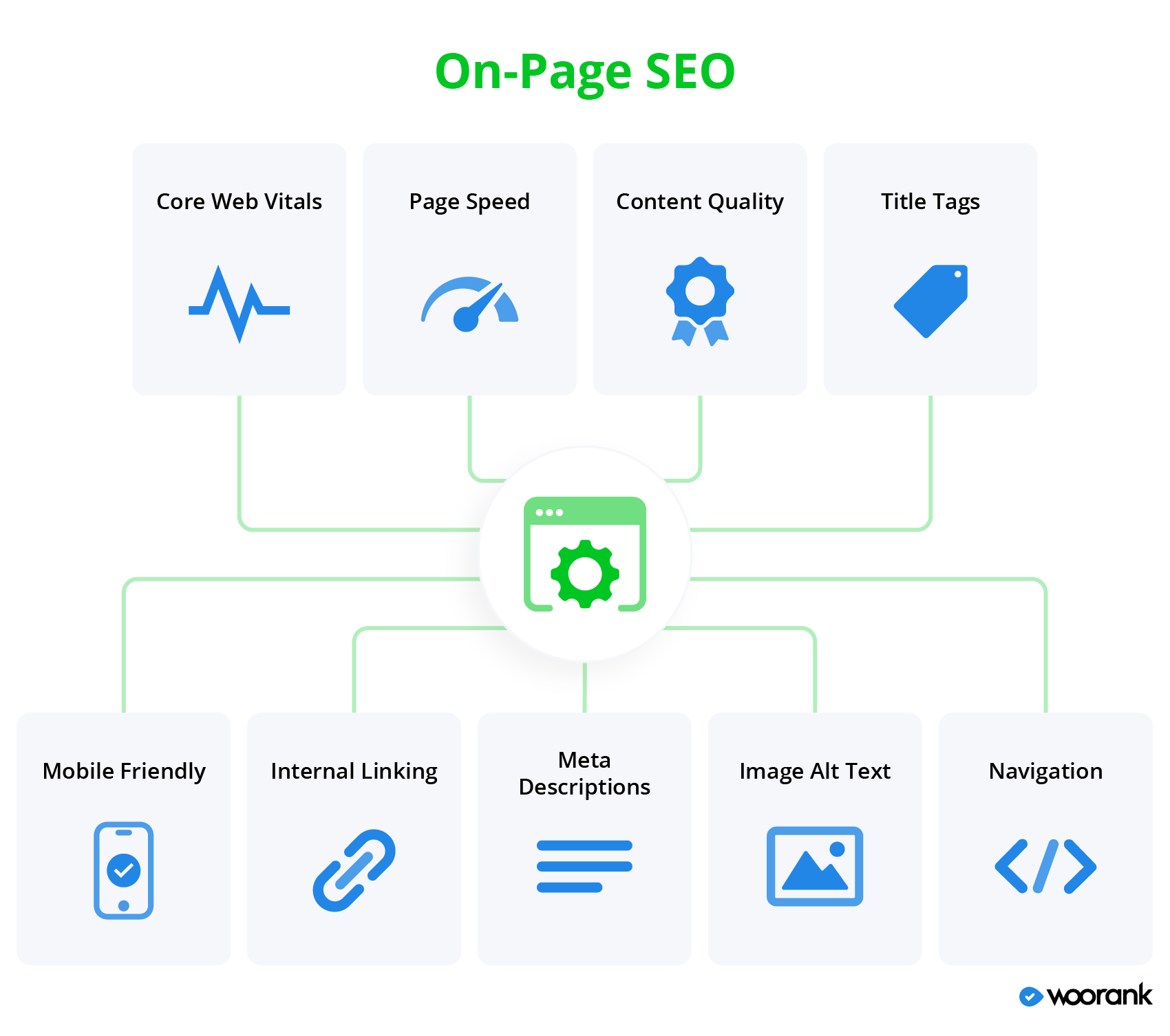
On-page SEO refers to the actions taken directly on a website to improve its search engine visibility. This includes optimizing content, meta tags, headings, images, and internal linking structure. By focusing on on-page factors, website owners can make their site more relevant to search engines and users.
Key On-Page SEO Factors:
- Keyword Optimization: Using relevant keywords strategically throughout the content.
- Title Tags: Crafting unique and descriptive title tags for each page.
- Meta Descriptions: Writing compelling meta descriptions that encourage clicks.
- Quality Content: Creating high-quality, informative, and engaging content for visitors.
- User Experience: Ensuring easy navigation, fast loading times, and mobile-friendliness.
Off-Page SEO
In contrast, off-page SEO focuses on external factors that impact a website’s search engine rankings. This includes building backlinks from reputable sites, social media engagement, online reviews, and brand mentions across the web. Off-page SEO helps establish a website’s authority and credibility in the eyes of search engines.
Key Off-Page SEO Strategies:
- Link Building: Acquiring high-quality backlinks from relevant websites to improve domain authority.
- Social Media Marketing: Engaging with audiences on social platforms to increase brand visibility.
- Online Reputation Management: Monitoring and managing online reviews to build trust with customers.
- Influencer Outreach: Collaborating with influencers to expand reach and credibility.
- Citations: Listing business information in online directories for local SEO benefits.
In conclusion, both on-page and off-page SEO are essential for a comprehensive digital marketing strategy. By optimising both aspects effectively, websites can improve their search engine rankings, attract more organic traffic, and ultimately achieve their online goals.
7 Essential Tips for Enhancing On-Page and Off-Page SEO
- Optimise meta tags (title, description) with relevant keywords
- Create high-quality, original content that is valuable to users
- Use descriptive URLs and include keywords where appropriate
- Optimise images with alt text and proper file names
- Improve website loading speed for better user experience
- Ensure mobile responsiveness for all devices
- Submit your website to online directories for increased exposure
Optimise meta tags (title, description) with relevant keywords
Optimising meta tags, including the title and description, with relevant keywords is a fundamental tip for both on-page and off-page SEO strategies. By incorporating targeted keywords into these elements, websites can improve their visibility in search engine results pages (SERPs) and attract more qualified organic traffic. A well-crafted title tag not only helps search engines understand the content of a page but also entices users to click through by providing a clear and compelling preview. Similarly, a concise and informative meta description can further enhance the click-through rate by summarising the page’s content and relevance to users’ search queries. Overall, optimising meta tags with relevant keywords is a simple yet powerful technique that can significantly impact a website’s search engine rankings and overall online presence.
Create high-quality, original content that is valuable to users
Creating high-quality, original content that provides value to users is a fundamental tip for both on-page and off-page SEO strategies. By producing content that is informative, engaging, and relevant to the target audience, websites can not only improve their search engine rankings but also enhance user experience and build credibility. Valuable content attracts organic traffic, encourages social sharing, and increases the likelihood of earning quality backlinks from other reputable sites. Ultimately, prioritising the creation of valuable content is key to establishing a strong online presence and achieving long-term success in the digital landscape.
Use descriptive URLs and include keywords where appropriate
When it comes to enhancing your website’s SEO performance, utilising descriptive URLs and strategically incorporating relevant keywords can significantly boost your on-page and off-page optimisation efforts. By crafting URLs that accurately reflect the content of your web pages and including targeted keywords where appropriate, you not only improve the user experience but also provide search engines with valuable information about the page’s content. This practice can help increase your site’s visibility in search results and drive organic traffic to your website, ultimately contributing to a more effective digital marketing strategy.
Optimise images with alt text and proper file names
Optimising images with descriptive alt text and relevant file names is a crucial aspect of both on-page and off-page SEO. By providing alt text that accurately describes the image content and using file names that include relevant keywords, website owners can improve accessibility for visually impaired users and enhance search engine visibility. Search engines rely on this information to understand the context of images, which can positively impact rankings and overall user experience. Incorporating this practice into image optimisation strategies can significantly boost a website’s SEO performance and contribute to a more comprehensive digital marketing approach.
Improve website loading speed for better user experience
Improving website loading speed is a crucial tip for enhancing both on-page and off-page SEO. A fast-loading website not only provides a better user experience but also contributes to higher search engine rankings. Users are more likely to engage with a website that loads quickly, leading to lower bounce rates and increased time spent on the site. Additionally, search engines like Google consider page speed as a ranking factor, making it essential for both user satisfaction and SEO performance. By prioritising website loading speed, businesses can improve their online visibility, attract more visitors, and ultimately achieve their digital marketing goals effectively.
Ensure mobile responsiveness for all devices
Ensuring mobile responsiveness for all devices is a crucial tip for both on-page and off-page SEO strategies. With the increasing use of smartphones and tablets, search engines now prioritise mobile-friendly websites in their rankings. By optimising your site to be responsive across various devices, you provide a seamless user experience, reduce bounce rates, and improve your chances of ranking higher in search results. This proactive approach not only enhances user engagement but also demonstrates to search engines that your website is relevant and accessible to a wide range of users, ultimately boosting your online visibility and organic traffic.
Submit your website to online directories for increased exposure
Submitting your website to online directories is a valuable strategy for enhancing both on-page and off-page SEO efforts. By listing your site in relevant directories, you not only increase its visibility to potential visitors but also gain valuable backlinks that contribute to your site’s authority. This practice can improve your website’s search engine rankings and drive more organic traffic, ultimately boosting your online presence and reaching a wider audience.