

Mastering SEO: On-Page and Off-Page Strategies for Success
SEO: On-Page and Off-Page Strategies
Search Engine Optimization (SEO) is a crucial aspect of digital marketing that helps websites rank higher in search engine results pages. SEO strategies can be broadly classified into two categories: on-page and off-page SEO.
On-Page SEO
On-page SEO refers to the optimization techniques applied directly on the website to improve its search engine visibility. This includes:
- Keyword Optimization: Researching and strategically using relevant keywords throughout the website’s content.
- Meta Tags: Optimizing meta titles, descriptions, and headers for better search engine readability.
- Content Quality: Creating high-quality, engaging, and informative content that resonates with both users and search engines.
- Internal Linking: Linking relevant pages within the website to improve navigation and enhance user experience.
- Backlink Building: Acquiring high-quality backlinks from reputable websites to boost credibility and authority.
- Social Media Engagement: Leveraging social media platforms to promote content, drive traffic, and increase brand visibility.
- Online Reputation Management: Monitoring online reviews, mentions, and comments to maintain a positive brand image.
- What is the difference between on-page and off-page SEO?
- How can I improve my website’s on-page SEO?
- What are the key elements of on-page SEO?
- Why is keyword optimization important for on-page SEO?
- What strategies can be used for building backlinks in off-page SEO?
- How does social media engagement impact off-page SEO?
- What role does content quality play in both on-page and off-page SEO?
- Why is a combination of on-page and off-page SEO essential for a successful digital marketing strategy?
Off-Page SEO
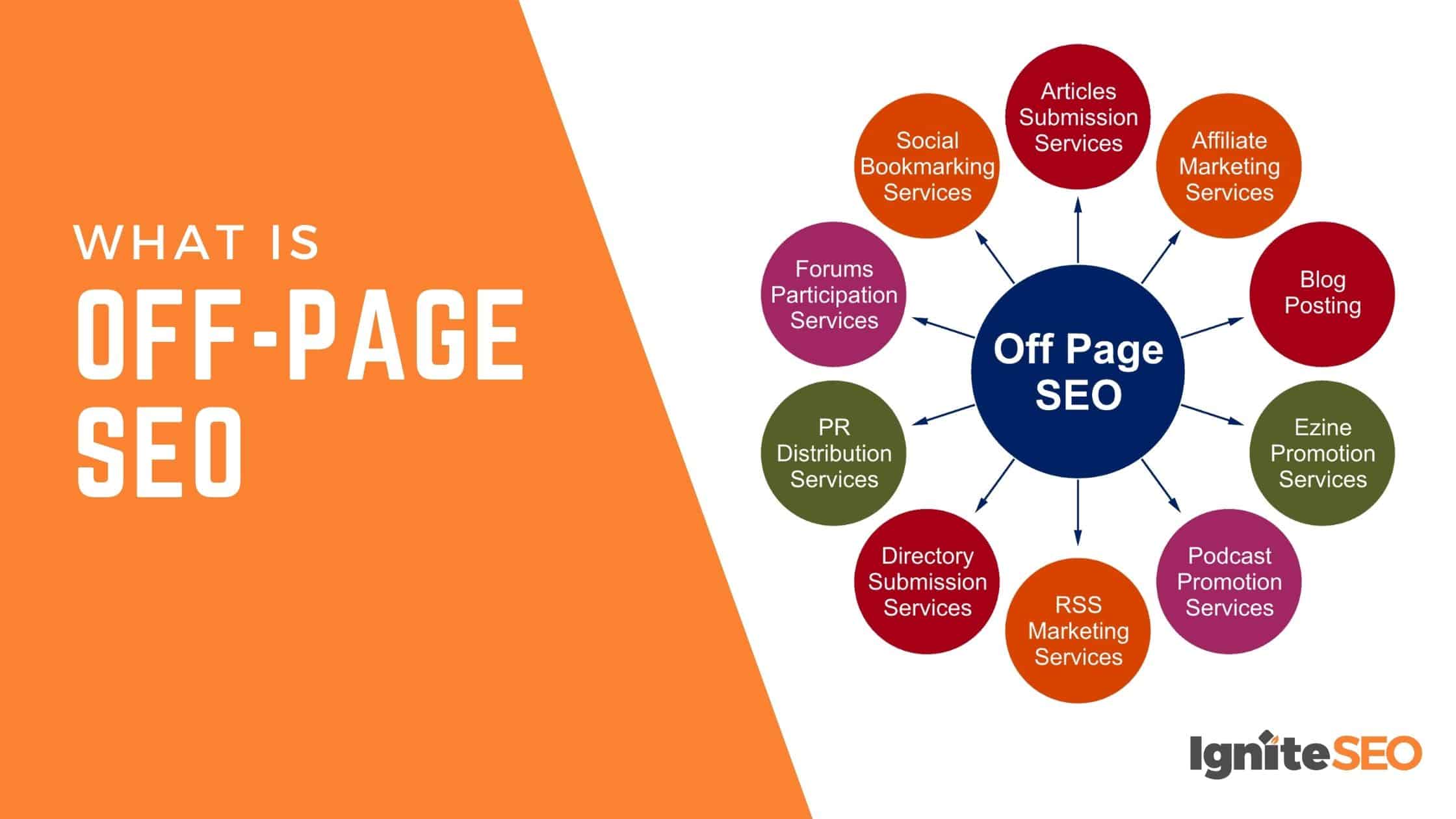
Off-page SEO focuses on external factors that influence a website’s search engine rankings. Key off-page SEO strategies include:
The Importance of Both Strategies
A successful SEO strategy combines both on-page and off-page techniques to achieve optimal results. While on-page SEO ensures that your website is technically sound and user-friendly, off-page SEO helps build authority and credibility in the eyes of search engines.
In conclusion, mastering both on-page and off-page SEO is essential for improving your website’s visibility, driving organic traffic, and ultimately achieving higher search engine rankings.
Understanding On-Page and Off-Page SEO: Key FAQs and Strategies for Effective Digital Marketing
What is the difference between on-page and off-page SEO?
The difference between on-page and off-page SEO lies in the strategies employed to improve a website’s search engine visibility. On-page SEO focuses on optimizing elements directly on the website itself, such as keyword usage, meta tags, content quality, and internal linking. In contrast, off-page SEO involves external factors like building backlinks from reputable sites, engaging on social media platforms, and managing online reputation. While on-page SEO enhances the website’s structure and content for search engines, off-page SEO aims to establish credibility and authority through external validation and promotion. By combining both strategies effectively, businesses can strengthen their online presence and improve their search engine rankings.
How can I improve my website’s on-page SEO?
To enhance your website’s on-page SEO, there are several key strategies you can implement. Start by conducting thorough keyword research to identify relevant terms and phrases that your target audience is searching for. Incorporate these keywords strategically into your website’s content, meta tags, and headers to improve search engine visibility. Ensure that your content is high-quality, engaging, and informative to both users and search engines. Optimize your website’s meta titles and descriptions for better click-through rates in search results. Additionally, focus on internal linking to improve navigation and user experience on your site. By implementing these on-page SEO techniques effectively, you can boost your website’s rankings and attract more organic traffic.
What are the key elements of on-page SEO?
When it comes to on-page SEO, understanding the key elements is essential for optimising a website’s search engine visibility. The crucial components of on-page SEO include keyword optimization, meta tags, content quality, and internal linking. By strategically researching and incorporating relevant keywords, optimizing meta titles and descriptions, creating high-quality content, and implementing internal links, websites can enhance their chances of ranking higher in search engine results pages. Mastering these key elements of on-page SEO is fundamental to improving a website’s online presence and attracting organic traffic effectively.
Why is keyword optimization important for on-page SEO?
Keyword optimization is crucial for on-page SEO because it helps search engines understand the relevance of a website’s content to users’ search queries. By strategically incorporating relevant keywords into the website’s content, meta tags, and headers, businesses can improve their chances of ranking higher in search engine results pages. Effective keyword optimization not only enhances visibility but also attracts the right audience to the website, increasing the likelihood of generating organic traffic and achieving better conversion rates. In essence, keyword optimization forms the foundation of on-page SEO by ensuring that a website’s content aligns with what users are searching for online.
What strategies can be used for building backlinks in off-page SEO?
In off-page SEO, building backlinks is a crucial strategy for enhancing a website’s authority and improving search engine rankings. There are several effective strategies for acquiring backlinks, including guest blogging on reputable websites, submitting press releases to relevant platforms, engaging in influencer outreach to secure endorsements and mentions, participating in industry forums and discussions to link back to valuable content, and leveraging social media platforms to share content and attract inbound links. It is important to focus on obtaining high-quality backlinks from authoritative sources relevant to your industry or niche, as this can significantly impact your website’s credibility and visibility in search engine results pages.
How does social media engagement impact off-page SEO?
Social media engagement plays a significant role in off-page SEO by enhancing a website’s online presence and increasing its visibility to a wider audience. When users engage with content shared on social media platforms, they generate social signals that search engines consider as indicators of relevance and authority. Positive interactions such as likes, shares, comments, and mentions can contribute to building a strong backlink profile and improving the website’s credibility. Additionally, active social media engagement can drive traffic to the website, increase brand awareness, and foster relationships with potential customers – all of which are factors that search engines value when determining rankings. In essence, social media engagement is a powerful off-page SEO strategy that can positively impact a website’s overall search engine performance.
What role does content quality play in both on-page and off-page SEO?
Content quality plays a pivotal role in both on-page and off-page SEO strategies. In on-page SEO, high-quality content that is relevant, engaging, and informative not only helps search engines understand the website’s purpose but also attracts and retains users. Optimising content with targeted keywords and providing valuable information can significantly improve a website’s search engine visibility and user experience. In off-page SEO, quality content acts as a link magnet, attracting backlinks from authoritative websites and enhancing the website’s credibility and reputation. Consistently producing top-notch content is essential for establishing expertise, building trust with audiences, and ultimately boosting SEO performance both on and off the website.
Why is a combination of on-page and off-page SEO essential for a successful digital marketing strategy?
Combining on-page and off-page SEO is essential for a successful digital marketing strategy because each aspect plays a crucial role in enhancing a website’s visibility and credibility. On-page SEO optimisation ensures that the website’s content is relevant, engaging, and structured in a way that search engines can easily understand. This helps improve organic search rankings and user experience. On the other hand, off-page SEO activities such as building quality backlinks and engaging with social media platforms help establish the website’s authority and reputation across the web. By integrating both on-page and off-page strategies, businesses can achieve a holistic approach to SEO that not only boosts search engine rankings but also drives organic traffic, increases brand awareness, and ultimately leads to long-term digital marketing success.