

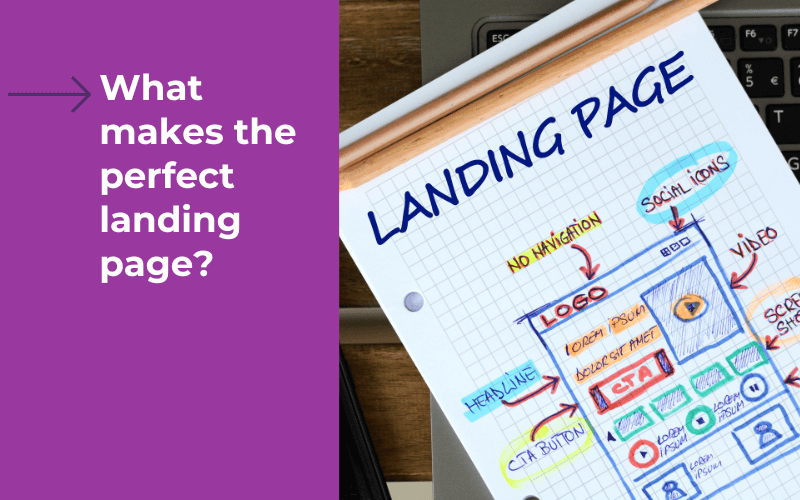
Mastering Landing Page SEO: Strategies for Success in the UK Market
The Importance of Landing Page SEO
In the world of online marketing, Search Engine Optimization (SEO) is crucial for improving a website’s visibility and driving organic traffic. When it comes to specific pages on a website, landing pages play a vital role in converting visitors into customers. Optimizing landing pages for search engines is known as Landing Page SEO.
Benefits of Landing Page SEO:
Improved Search Engine Rankings: By implementing relevant keywords, meta tags, and high-quality content on your landing page, you increase the chances of ranking higher in search engine results pages (SERPs).
Increased Organic Traffic: Optimized landing pages attract more organic traffic from search engines, leading to a higher number of potential customers visiting your site.
Better User Experience: A well-optimized landing page provides users with valuable information that matches their search intent, resulting in a positive user experience and increased engagement.
Tips for Effective Landing Page SEO:
- Keyword Research: Conduct thorough keyword research to identify relevant keywords that align with your target audience’s search queries.
- Optimized Content: Create compelling and informative content that incorporates targeted keywords naturally throughout the page.
- Meta Tags and Descriptions: Write engaging meta titles and descriptions that accurately reflect the content of your landing page.
- User-Friendly Design: Ensure that your landing page has a clean layout, fast loading speed, and is mobile-responsive for an optimal user experience.
- A/B Testing: Test different elements on your landing page, such as headlines, call-to-action buttons, and images, to determine what resonates best with your audience.
In conclusion, investing time and effort into optimizing your landing pages for SEO can have a significant impact on your website’s performance and conversion rates. By following best practices and continuously monitoring and refining your strategies, you can create high-performing landing pages that drive valuable organic traffic to your site.
Essential FAQs on Optimising Landing Pages for SEO Success
- What is Landing Page SEO?
- Why is Landing Page SEO important for websites?
- How can I optimize my landing page for search engines?
- What are the key elements of a well-optimized landing page?
- Does the design of a landing page affect its SEO performance?
- What role do keywords play in Landing Page SEO?
- Is it necessary to create separate landing pages for different marketing campaigns?
- How can I measure the success of my Landing Page SEO efforts?
What is Landing Page SEO?
Landing Page SEO refers to the process of optimising specific web pages, known as landing pages, to improve their visibility and ranking on search engine results pages (SERPs). By implementing strategic SEO techniques such as keyword research, content optimisation, and meta tag enhancements, landing page SEO aims to attract organic traffic and enhance user engagement. The ultimate goal of Landing Page SEO is to create a seamless user experience that aligns with search intent, ultimately leading to higher conversion rates and improved online visibility for businesses.
Why is Landing Page SEO important for websites?
Optimizing landing pages for search engines, known as Landing Page SEO, is crucial for websites due to its significant impact on visibility, organic traffic, and conversion rates. By implementing relevant keywords, meta tags, and high-quality content on landing pages, websites can improve their search engine rankings and attract more organic traffic. A well-optimized landing page provides users with valuable information that matches their search intent, resulting in a positive user experience and increased engagement. Ultimately, Landing Page SEO plays a vital role in driving targeted traffic to websites and converting visitors into customers, making it an essential aspect of any successful online marketing strategy.
How can I optimize my landing page for search engines?
To optimize your landing page for search engines, start by conducting thorough keyword research to identify relevant keywords that align with your target audience’s search queries. Incorporate these keywords naturally throughout your content, including in headings, meta tags, and image alt text. Ensure that your landing page has a user-friendly design with a clean layout, fast loading speed, and mobile responsiveness. Write engaging meta titles and descriptions that accurately reflect the content of your page. Test different elements on your landing page through A/B testing to determine what resonates best with your audience. By following these strategies and continuously monitoring and refining your approach, you can create a well-optimized landing page that attracts organic traffic and improves search engine rankings.
What are the key elements of a well-optimized landing page?
When it comes to creating a well-optimized landing page, several key elements play a crucial role in its success. Firstly, incorporating relevant keywords strategically throughout the content is essential for improving search engine visibility. Clear and compelling headlines, concise yet informative content, and a strong call-to-action are also vital components that guide visitors towards the desired action. Additionally, ensuring fast loading speed, mobile responsiveness, and intuitive navigation enhances the user experience. By combining these elements effectively, a well-optimized landing page can attract organic traffic, engage visitors, and ultimately drive conversions for your business.
Does the design of a landing page affect its SEO performance?
The design of a landing page plays a crucial role in its SEO performance. Search engines consider various design elements, such as page loading speed, mobile responsiveness, user experience, and visual appeal, when ranking pages in search results. A well-designed landing page that is easy to navigate, visually engaging, and optimised for both desktop and mobile devices can positively impact SEO performance by improving user engagement metrics and increasing the likelihood of higher search engine rankings. Therefore, it is essential to consider the design aspects of a landing page alongside content and technical SEO factors to enhance its overall performance in search engine results.
What role do keywords play in Landing Page SEO?
Keywords play a crucial role in Landing Page SEO by helping search engines understand the relevance of a page to a user’s search query. By strategically incorporating relevant keywords into the content, meta tags, and headings of a landing page, website owners can improve their chances of ranking higher in search engine results pages (SERPs). Effective keyword usage not only attracts organic traffic to the page but also enhances user experience by providing valuable information that matches what users are searching for. Conducting thorough keyword research and optimising landing page content with the right keywords can significantly impact the visibility and success of a website’s landing pages.
Is it necessary to create separate landing pages for different marketing campaigns?
When it comes to Landing Page SEO, the question of whether it is necessary to create separate landing pages for different marketing campaigns often arises. While it is not a strict requirement, creating dedicated landing pages for each marketing campaign can significantly enhance the effectiveness of your campaigns. Separate landing pages allow you to tailor the content, messaging, and design to match the specific campaign goals and target audience, ultimately increasing relevance and improving conversion rates. By customizing landing pages for different campaigns, you can provide a more focused and cohesive user experience that aligns with the unique needs and preferences of your audience.
How can I measure the success of my Landing Page SEO efforts?
Measuring the success of your Landing Page SEO efforts is essential to gauge the effectiveness of your strategies and make informed decisions for further optimization. Key performance indicators (KPIs) such as organic traffic, keyword rankings, bounce rate, conversion rate, and dwell time can provide valuable insights into the performance of your landing pages. By tracking these metrics using tools like Google Analytics and Search Console, you can assess the impact of your SEO efforts, identify areas for improvement, and refine your strategies to achieve better results over time. Regular monitoring and analysis of these KPIs will help you understand how well your landing pages are performing in search engine results and how effectively they are attracting and engaging visitors.