

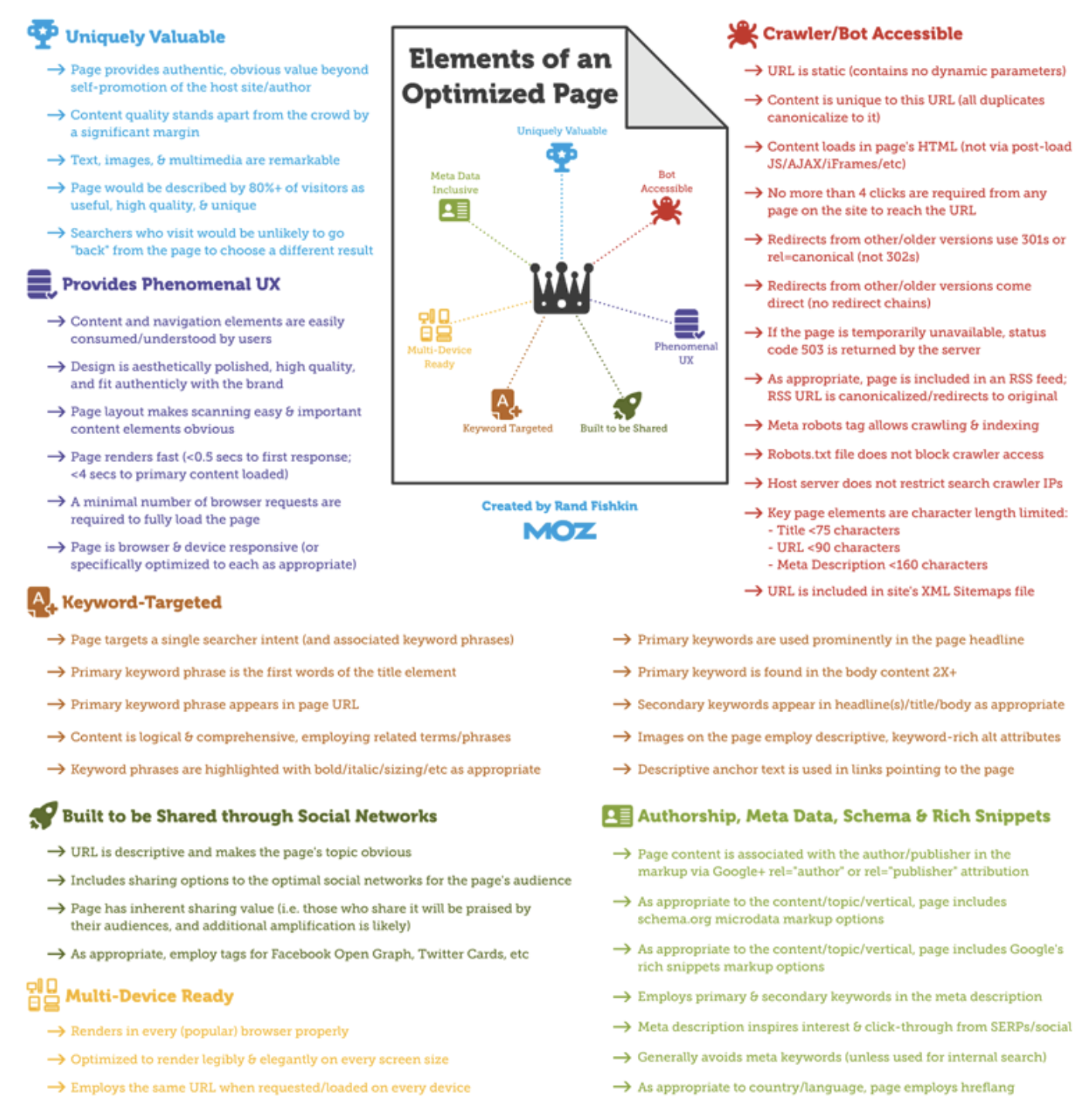
Mastering On-Page Optimization: Strategies for Digital Success
The Importance of On-Page Optimization in Digital Marketing
On-page optimization is a crucial aspect of digital marketing that focuses on optimizing various elements on a website to improve its search engine visibility and attract more organic traffic. By fine-tuning on-page elements, businesses can enhance their online presence and reach a wider audience.
Key Components of On-Page Optimization
Effective on-page optimization involves several key components, including:
- Title Tags: Crafting unique and relevant title tags for each webpage to accurately describe its content.
- Meta Descriptions: Writing compelling meta descriptions that encourage users to click through to the website from search engine results pages.
- Heading Tags: Properly structuring content with heading tags (H1, H2, H3, etc.) to improve readability and SEO.
- Keyword Optimization: Strategically incorporating relevant keywords throughout the content to improve search engine ranking.
- Image Alt Text: Adding descriptive alt text to images for better accessibility and SEO benefits.
- Internal Linking: Creating a network of internal links within the website to enhance navigation and boost SEO performance.
- User Experience (UX): Ensuring that the website is user-friendly, fast-loading, and mobile-responsive for a positive user experience.
The Benefits of On-Page Optimization
Implementing effective on-page optimization practices offers various benefits for businesses, including:
- Improved Search Engine Ranking: Optimizing on-page elements can help websites rank higher in search engine results pages (SERPs) for relevant keywords.
- Increase Organic Traffic: By enhancing visibility and relevance, businesses can attract more organic traffic to their websites.
- Better User Experience: Well-optimized websites provide a seamless user experience, leading to higher engagement and conversions.
- Higher Conversion Rates: Targeted optimization can drive qualified leads and improve conversion rates for products or services offered on the website.
- Easier Website Maintenance: Regularly updating and optimizing on-page elements makes it easier to maintain the website’s performance over time.
In Conclusion
In today’s competitive digital landscape, on-page optimization plays a vital role in helping businesses stand out online. By focusing on key elements such as title tags, meta descriptions, keyword optimization, and user experience, businesses can enhance their visibility, attract more traffic, and ultimately drive success in the digital realm.
8 Essential Tips for Optimising Your On-Page SEO Effectively
- Ensure your page titles are concise and relevant to the content
- Use meta descriptions to provide a brief summary of each page’s content
- Optimise your headings (H1, H2, etc.) with target keywords for better SEO
- Include alt text in your images to improve accessibility and SEO
- Create unique and valuable content that engages users and includes relevant keywords
- Improve page loading speed by compressing images and minifying code
- Make sure your URLs are descriptive and contain keywords where possible
- Regularly update and refresh your content to keep it current and maintain relevance
Ensure your page titles are concise and relevant to the content
It is essential to ensure that your page titles are concise and directly relevant to the content on the webpage. Clear and succinct page titles not only help search engines understand the context of your content but also provide users with a quick insight into what they can expect to find on the page. By keeping your page titles focused and aligned with the content, you improve the overall user experience and increase the likelihood of attracting relevant organic traffic to your website.
Use meta descriptions to provide a brief summary of each page’s content
Utilising meta descriptions is a valuable strategy in on-page optimisation. These concise snippets serve as a brief summary of a webpage’s content, providing users with a preview of what to expect before clicking through. Crafting compelling meta descriptions that accurately reflect the page’s content not only improves click-through rates from search engine results pages but also enhances the overall user experience by setting clear expectations for visitors. By incorporating relevant keywords and enticing language, businesses can effectively communicate the value of their content and attract more qualified traffic to their website.
Optimise your headings (H1, H2, etc.) with target keywords for better SEO
Optimising your headings (H1, H2, etc.) with target keywords is a crucial on-page optimization tip that can significantly improve your website’s SEO performance. By strategically incorporating relevant keywords into your headings, you not only enhance the readability and structure of your content but also signal to search engines the key topics and themes of your webpage. This practice helps search engines better understand and index your content, ultimately leading to improved visibility and ranking for those target keywords.
Include alt text in your images to improve accessibility and SEO
Including alt text in your images is a valuable on-page optimization tip that serves a dual purpose: enhancing accessibility for visually impaired users and boosting SEO performance. Alt text provides a textual description of an image, making it accessible to screen readers and helping visually impaired individuals understand the content of the image. From an SEO perspective, alt text also helps search engines understand the context of the image, improving overall website relevance and potentially increasing visibility in search engine results. By incorporating descriptive and relevant alt text for images, businesses can improve both user experience and search engine ranking simultaneously.
Create unique and valuable content that engages users and includes relevant keywords
Creating unique and valuable content that engages users while incorporating relevant keywords is a fundamental tip for effective on-page optimization. By crafting compelling and informative content that resonates with the target audience, businesses can not only attract and retain users but also improve their search engine visibility. Including relevant keywords strategically within the content helps search engines understand the context of the webpage, ultimately boosting its ranking for related searches. This approach not only enhances SEO performance but also ensures that the website provides meaningful and valuable information to visitors, fostering trust and credibility in the digital space.
Improve page loading speed by compressing images and minifying code
To enhance on-page optimization, it is advisable to improve page loading speed by implementing techniques such as compressing images and minifying code. By compressing images, the file sizes can be reduced without compromising quality, resulting in faster loading times for webpages. Additionally, minifying code involves removing unnecessary characters and spaces from scripts and stylesheets, leading to smaller file sizes and quicker rendering of content. These practices not only improve user experience by reducing waiting times but also contribute to better search engine rankings due to improved website performance.
Make sure your URLs are descriptive and contain keywords where possible
When implementing on-page optimization strategies, it is essential to ensure that your URLs are descriptive and include relevant keywords whenever possible. Descriptive URLs not only help search engines understand the content of your web pages but also provide users with a clear indication of what to expect when they click on the link. By incorporating keywords into your URLs, you can improve the overall SEO performance of your website and increase the likelihood of ranking higher in search engine results for those specific terms. Properly crafted URLs contribute to a better user experience and can ultimately drive more organic traffic to your site.
Regularly update and refresh your content to keep it current and maintain relevance
One essential tip for effective on-page optimization is to regularly update and refresh your content to ensure it remains current and relevant to your target audience. By keeping your content up-to-date, you not only provide valuable information to visitors but also signal to search engines that your website is actively maintained and authoritative in its niche. This practice can help improve your search engine ranking, attract more organic traffic, and enhance user engagement, ultimately contributing to the overall success of your digital marketing efforts.