

Mastering E-Commerce SEO: Strategies for Online Success
The Importance of E-Commerce SEO for Online Businesses
In the competitive world of e-commerce, having a strong online presence is crucial for the success of your business. Search Engine Optimization (SEO) plays a vital role in ensuring that your e-commerce website ranks well in search engine results and attracts potential customers.
Why E-Commerce SEO Matters
Effective e-commerce SEO helps improve the visibility of your online store in search engine results pages (SERPs). By optimising your website for relevant keywords and phrases, you can attract more organic traffic and reach a wider audience of potential customers.
Additionally, e-commerce SEO can help enhance the user experience on your website by improving site speed, mobile-friendliness, and overall usability. Search engines like Google favour websites that provide a positive user experience, which can lead to higher rankings and increased organic traffic.
Key Strategies for E-Commerce SEO
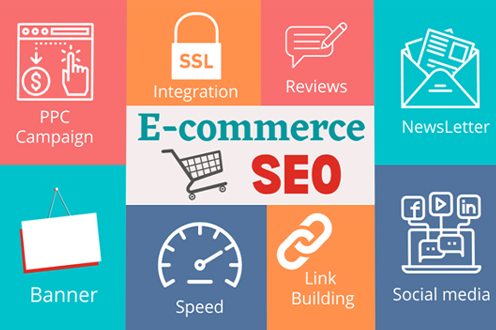
Some key strategies for effective e-commerce SEO include:
- Keyword Research: Identify relevant keywords that potential customers are searching for and incorporate them strategically into your product descriptions, meta tags, and URLs.
- Optimised Product Pages: Ensure that each product page is well-optimised with unique content, high-quality images, and clear calls-to-action to encourage conversions.
- Mobile Optimisation: With the increasing use of mobile devices for online shopping, it is essential to have a mobile-friendly website that provides a seamless shopping experience across all devices.
- Link Building: Build high-quality backlinks to your e-commerce site from reputable sources to improve its authority and credibility in the eyes of search engines.
- Regular Content Updates: Keep your website fresh and engaging with regular updates such as blog posts, product reviews, and customer testimonials to attract both users and search engines.
The Bottom Line
E-commerce SEO is an essential component of any successful online business strategy. By implementing effective SEO tactics tailored to the needs of your e-commerce store, you can drive more organic traffic, increase conversions, and ultimately boost your revenue. Invest in e-commerce SEO today to stay ahead of the competition and grow your online business exponentially.
Maximising Success: The Top 6 Advantages of E-Commerce SEO
- Increased online visibility
- Targeted traffic
- Improved user experience
- Cost-effective marketing
- Builds brand credibility
- Long-term benefits
Challenges of E-Commerce SEO: Navigating Time, Cost, and Complexity
- 1. Time-Consuming
- 2. Costly Investment
- 3. Constant Algorithm Changes
- 4. Competitive Landscape
- 5. Technical Complexity
- 6. Uncertain Results
Increased online visibility
E-commerce SEO offers the valuable benefit of increased online visibility for your business. By implementing effective SEO strategies, your online store can climb higher in search engine rankings, enhancing its visibility to a broader audience of potential customers. This heightened visibility not only drives more organic traffic to your website but also increases the likelihood of attracting and engaging with new customers who are actively searching for products or services that you offer. Ultimately, improved online visibility through e-commerce SEO can significantly boost your brand’s reach and profitability in the competitive digital marketplace.
Targeted traffic
By optimising for relevant keywords through e-commerce SEO, you can attract targeted traffic to your online store. This means that you are reaching potential customers who are actively searching for the products or services you offer. By aligning your website content with the search intent of these users, you increase the likelihood of converting them into customers. Targeted traffic not only drives higher quality leads to your e-commerce site but also improves the overall user experience by providing visitors with relevant and valuable information they are seeking.
Improved user experience
SEO enhancements in e-commerce can significantly improve the user experience of your website, resulting in higher levels of engagement and conversions. By implementing SEO strategies that focus on site speed, mobile responsiveness, intuitive navigation, and relevant content, you can create a more user-friendly online shopping environment. This enhanced user experience not only pleases visitors but also encourages them to explore your products or services further and ultimately increases the likelihood of conversions.
Cost-effective marketing
When it comes to the benefits of e-commerce SEO, one significant advantage is its cost-effectiveness in marketing. In contrast to traditional advertising approaches, allocating resources towards SEO strategies can yield a greater return on investment in the long run. By focusing on optimising your online presence for search engines, you can attract organic traffic and potential customers without continuously spending on expensive advertising campaigns. This sustainable approach not only helps save costs but also allows businesses to achieve lasting visibility and growth in the competitive e-commerce landscape.
Builds brand credibility
Achieving higher search engine rankings through e-commerce SEO not only increases visibility but also builds brand credibility. When customers see your online store ranking well in search results, they perceive it as trustworthy and authoritative. This enhanced brand reputation can instil confidence in potential customers, leading to increased trust and loyalty towards your business. By focusing on e-commerce SEO to boost your search engine rankings, you are not just attracting more traffic but also solidifying your brand’s credibility in the competitive online marketplace.
Long-term benefits
One significant advantage of E-commerce SEO is its long-term benefits. The efforts put into optimising an online store for search engines can yield lasting effects, with the potential to continue driving organic traffic and sales well beyond the initial optimisation period. By focusing on sustainable SEO strategies, businesses can establish a strong online presence that consistently attracts customers and generates revenue over time.
1. Time-Consuming
Implementing and maintaining effective e-commerce SEO strategies can be a significant challenge due to the time-consuming nature of the process. It demands continuous effort and monitoring to ensure that the website remains optimised for search engines. From conducting keyword research to updating product pages and building backlinks, e-commerce SEO requires consistent attention and dedication, which can be a strain on resources for online businesses looking to balance multiple priorities simultaneously.
2. Costly Investment
One significant drawback of e-commerce SEO is the costly investment it entails. For small businesses operating on limited budgets, hiring SEO experts or investing in SEO tools can be a substantial financial burden. The expenses associated with implementing effective SEO strategies for e-commerce websites can sometimes outweigh the potential benefits, making it challenging for smaller enterprises to compete with larger companies in the online marketplace.
3. Constant Algorithm Changes
One significant drawback of e-commerce SEO is the constant algorithm changes implemented by search engines. These ever-evolving algorithms present a challenge for online businesses as they need to continuously adapt and adjust their SEO strategies to align with the latest best practices. This dynamic nature of search engine algorithms can make it difficult for e-commerce websites to maintain consistent visibility and rankings, requiring ongoing monitoring and adjustments to stay competitive in the online marketplace.
4. Competitive Landscape
In the realm of E-commerce SEO, one significant drawback is the fiercely competitive landscape that online businesses must navigate. The sheer volume of companies striving to secure top positions in search engine results pages creates intense competition, making it increasingly challenging for businesses to achieve organic rankings. This heightened competition underscores the importance of implementing strategic and innovative SEO tactics to stand out amidst the crowded digital marketplace.
5. Technical Complexity
The technical complexity associated with e-commerce SEO poses a significant challenge for online businesses. E-commerce websites frequently feature intricate structures and extensive product inventories, making it more difficult to effectively implement technical SEO aspects. From optimising product pages to managing site architecture and navigation, the sheer scale and complexity of e-commerce platforms require careful attention to detail and expertise in handling the technical intricacies involved in order to achieve optimal search engine visibility and performance.
6. Uncertain Results
In the realm of e-commerce SEO, one notable drawback is the uncertainty of results. Despite diligent efforts to optimise an e-commerce website for search engines, there remains a lack of assurance regarding immediate or consistent enhancements in search engine rankings or traffic. This unpredictability can pose a challenge for online businesses seeking quick and reliable outcomes from their SEO strategies, requiring them to adopt a patient and adaptive approach to navigate the fluctuations in search engine performance.