

Search Optimization Services: Improve Your Visibility and Reach More Customers
Search Optimisation Services: Helping Your Business Get Found Online
When people need a product, service or professional adviser, they often begin with a search engine. If your website is difficult to find, or does not answer the questions potential customers are asking, you could be missing valuable opportunities. Search optimisation services can help improve your website’s visibility and make it easier for the right people to discover your business.
What are search optimisation services?
Search optimisation services—often called search engine optimisation (SEO)—are activities designed to help a website appear more prominently in relevant, unpaid search results. The aim is not simply to attract more visitors. It is to reach people who are looking for what your business offers and give them a useful experience once they arrive.
SEO is an ongoing process. Search engines update how they assess websites, competitors make changes, and the needs of your audience can evolve. A considered strategy combines research, practical improvements and regular measurement.
What do SEO services include?
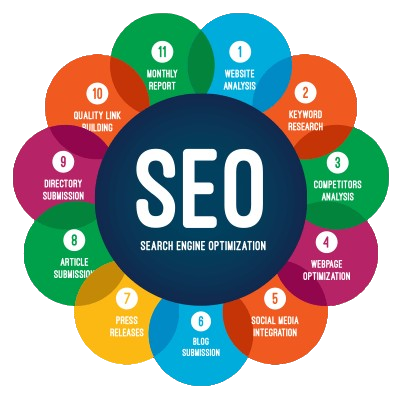
A search optimisation campaign may include several areas of work, depending on your website, sector and goals.
- SEO audit: A review of your website to identify technical issues, content gaps and opportunities to improve its visibility.
- Keyword and audience research: Discovering the terms people use when searching for relevant services, and understanding the intent behind those searches.
- On-page optimisation: Improving page titles, headings, internal links and content so that each page is clear and relevant to both visitors and search engines.
- Technical SEO: Addressing factors such as site speed, mobile usability, crawlability, indexing and structured data.
- Content strategy: Planning and creating useful pages, articles and resources that respond to genuine audience questions.
- Local SEO: Improving visibility for location-based searches through accurate business information, local content and profile management.
- Reporting and analysis: Tracking performance and using the results to guide future improvements.
Why invest in search optimisation?
Good SEO can help your business reach potential customers while they are actively looking for information or services. It can also improve the website experience by making pages easier to navigate, faster to use and more helpful.
Unlike paid advertising, organic search visibility does not depend on paying for every click. However, SEO takes time and consistent effort. Results vary according to factors such as competition, the current state of your website and the resources invested. No responsible provider can guarantee a particular ranking.
SEO for professional services
For professional service providers, including law firms, trust and clarity matter. Website content should explain what the organisation does, who it helps and how prospective clients can take the next step. It should also be accurate, useful and appropriate to the relevant professional and regulatory requirements.
SEO can support this by helping people find relevant service pages and informative resources. The strongest approach puts the needs of the reader first, rather than filling pages with repeated search terms.
How to choose an SEO provider
When comparing search optimisation services, look for a provider that explains its approach in plain English and takes time to understand your business. Ask how it will measure progress, what work is included and how often you will receive updates.
Be cautious of promises of instant results, guaranteed rankings or tactics that are not clearly explained. Sustainable SEO is based on useful content, sound technical foundations and ongoing improvement—not shortcuts.
Make search optimisation part of your growth plan
Search optimisation services can help strengthen your online presence, attract more relevant visitors and support long-term business growth. The best results come from a strategy tailored to your audience, your objectives and your website’s current needs.
Whether you are starting from scratch or improving an established website, a clear SEO plan can help turn search visibility into a better experience for prospective customers.
7 Tips for Choosing and Getting the Most from SEO Services
- Choose an SEO service with proven results.
- Check for clear, regular reporting.
- Prioritise relevant keywords, not just traffic.
- Improve site speed and mobile usability.
- Create useful, original content.
- Earn quality links ethically.
- Set realistic goals and review progress.
Choose an SEO service with proven results.
Choose an SEO service with a track record of delivering measurable results. Ask for relevant case studies, client references or examples of improvements in organic traffic, qualified enquiries and conversions. A reputable provider should explain what they achieved, how they measured progress and what factors influenced the outcome. Be wary of guaranteed rankings or overnight success claims: search engine optimisation takes time, and results depend on your website, sector and competition.
Check for clear, regular reporting.
Choose a search optimisation provider that offers clear, regular reporting so you can see what work has been completed and how your website is performing. Reports should explain key measures—such as organic traffic, search visibility, enquiries and completed tasks—in plain English, and show how they relate to your business goals. Regular updates also give you the chance to ask questions, understand what is working and agree on any changes to the strategy.
Prioritise relevant keywords, not just traffic.
Prioritise keywords that reflect your services and what your ideal customers are looking for, rather than chasing high search volumes alone. A phrase with fewer searches may attract people who are more likely to need your expertise and take action. Research the intent behind each keyword, then use relevant terms naturally in helpful page content, headings and metadata. This approach can bring more qualified visitors to your website and support stronger results over time.
Improve site speed and mobile usability.
Improve site speed and mobile usability to make it easier for visitors to find what they need and stay on your website. Pages that load slowly or are difficult to use on a phone can frustrate potential customers and encourage them to leave. Compressing images, reducing unnecessary code and choosing a responsive design can help your site load quickly and work smoothly across different devices. A better experience for visitors can also support your search optimisation efforts.
Create useful, original content.
Create useful, original content that answers the questions your audience is genuinely asking. Clear, accurate and well-structured pages help visitors understand your services and decide what to do next, while giving search engines meaningful information about your website. Focus on sharing your expertise in plain English rather than repeating keywords or publishing content for its own sake. Regularly review and update important pages so they remain relevant, reliable and helpful.
Earn quality links ethically.
Earn quality links ethically by creating genuinely useful content that other reputable websites will want to reference, such as original research, expert commentary or practical guides. Build relationships with relevant organisations and industry publications, and look for legitimate opportunities to contribute insights or resources. Avoid buying links or using schemes designed to manipulate rankings: these can damage your site’s credibility and may lead to search engine penalties.
Set realistic goals and review progress.
Set realistic goals for your search optimisation services and review progress regularly. SEO takes time, so focus on meaningful measures such as improved visibility for relevant searches, more qualified website visits and enquiries, rather than expecting immediate results or guaranteed rankings. Reviewing performance against clear objectives helps you understand what is working, spot areas that need attention and refine your strategy over time.