

The Essential Guide to Understanding SEO Optimization Costs
The Cost of SEO Optimization: What You Need to Know
Search Engine Optimization (SEO) is a crucial aspect of any digital marketing strategy. It involves various techniques and practices aimed at improving a website’s visibility on search engine results pages. However, one common question that arises when it comes to SEO is the cost involved.
Factors Affecting SEO Optimization Cost
The cost of SEO optimization can vary depending on several factors:
- Scope of Work: The extent of work required, such as on-page optimization, off-page optimization, keyword research, content creation, and technical fixes, can impact the overall cost.
- Competition: The level of competition in your industry and the competitiveness of keywords you are targeting can influence the cost as well. More competitive keywords may require a higher investment to rank effectively.
- Goals: Your specific goals and objectives for SEO will also play a role in determining the cost. Whether you aim to increase organic traffic, improve search engine rankings, or drive conversions can affect the overall pricing.
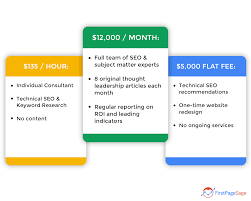
- Agency or Freelancer: Hiring an SEO agency or a freelance consultant will have different cost structures. Agencies typically charge higher fees but offer a team of experts and comprehensive services, while freelancers may be more budget-friendly but offer limited resources.
Understanding Pricing Models
SEO services are typically priced using various models:
- Monthly Retainer: Many agencies offer monthly retainer packages where you pay a fixed fee each month for ongoing SEO services.
- Project-Based Pricing: For specific projects or one-time optimizations, some providers may offer project-based pricing where you pay a set amount for defined deliverables.
- Pricing Per Hour: Freelancers often charge by the hour for their services. Rates can vary based on experience and expertise.
The Value of Investing in SEO
While the cost of SEO optimization may vary, it’s essential to consider the value it brings to your business. Investing in SEO can lead to increased organic traffic, improved brand visibility, higher search engine rankings, and ultimately more conversions and revenue.
In conclusion, the cost of SEO optimization is influenced by multiple factors and varies depending on your specific needs and goals. By understanding these factors and choosing a pricing model that aligns with your budget and objectives, you can make informed decisions when investing in SEO for your website.
Eight Cost-Effective Strategies for Optimising Your SEO Budget
- 1. Set a clear budget for your SEO efforts to avoid overspending.
- 2. Prioritise SEO tasks based on their potential impact on your website’s performance.
- 3. Consider the long-term benefits of investing in quality SEO services rather than opting for cheap solutions.
- 4. Regularly monitor and analyse the results of your SEO strategies to make informed decisions about future investments.
- 5. Explore free or low-cost SEO tools and resources that can help you improve your website’s visibility.
- 6. Invest in professional SEO training for your team to enhance their skills and knowledge in this field.
- 7. Collaborate with reputable SEO agencies or consultants who can provide cost-effective solutions tailored to your business goals.
- 8. Continuously adapt your SEO strategy based on changes in search engine algorithms and industry trends to maximise cost-efficiency.
1. Set a clear budget for your SEO efforts to avoid overspending.
Setting a clear budget for your SEO efforts is a crucial tip to avoid overspending and ensure cost-effectiveness. By establishing a defined budget, you can allocate resources efficiently, prioritise key strategies, and track expenses effectively. This approach not only helps in managing costs but also allows you to make informed decisions on where to invest for maximum impact, ultimately optimising the return on investment from your SEO initiatives.
2. Prioritise SEO tasks based on their potential impact on your website’s performance.
When considering the cost of SEO optimization, it is crucial to prioritise tasks based on their potential impact on your website’s performance. By focusing on high-impact SEO tasks first, such as improving site speed, enhancing content quality, and targeting relevant keywords, you can maximise the effectiveness of your investment. Prioritising tasks that have the most significant potential to boost your website’s visibility and rankings can lead to long-term success and a higher return on your SEO expenditure.
3. Consider the long-term benefits of investing in quality SEO services rather than opting for cheap solutions.
When considering the cost of SEO optimization, it is crucial to weigh the long-term benefits of investing in quality services over choosing cheaper alternatives. While inexpensive SEO solutions may seem appealing initially, they often lack the expertise and strategic approach needed for sustainable results. By prioritising quality SEO services, businesses can benefit from improved organic traffic, higher search engine rankings, enhanced brand visibility, and ultimately, long-term growth and success in the competitive online landscape.
4. Regularly monitor and analyse the results of your SEO strategies to make informed decisions about future investments.
Regularly monitoring and analysing the outcomes of your SEO strategies is crucial for making well-informed decisions regarding future investments. By keeping a close eye on the performance metrics, such as organic traffic, keyword rankings, and conversion rates, you can identify what is working effectively and where adjustments may be needed. This data-driven approach allows you to optimise your SEO efforts continuously, ensuring that your resources are allocated efficiently to achieve the best possible results in the long term.
5. Explore free or low-cost SEO tools and resources that can help you improve your website’s visibility.
Exploring free or low-cost SEO tools and resources can be a cost-effective way to enhance your website’s visibility. By utilising these tools, you can gain valuable insights into your website’s performance, identify areas for improvement, and track your progress in implementing SEO strategies. From keyword research tools to website audit platforms, there are numerous resources available that can assist you in optimising your site for search engines without breaking the bank. Investing time in leveraging these affordable solutions can have a significant impact on your SEO efforts and contribute to better online visibility for your website.
6. Invest in professional SEO training for your team to enhance their skills and knowledge in this field.
Investing in professional SEO training for your team is a valuable strategy to enhance their skills and knowledge in the field of Search Engine Optimization. By providing your team with specialised training, you empower them to stay updated on the latest SEO techniques and best practices, ultimately improving the effectiveness of your digital marketing efforts. Equipped with a deeper understanding of SEO principles, your team can implement strategies more efficiently, leading to better search engine rankings, increased organic traffic, and overall business growth.
7. Collaborate with reputable SEO agencies or consultants who can provide cost-effective solutions tailored to your business goals.
Collaborating with reputable SEO agencies or consultants who can offer cost-effective solutions tailored to your business goals is a valuable tip when considering SEO optimization costs. By working with professionals who have a proven track record in the industry, you can benefit from their expertise and experience to develop a customised strategy that aligns with your specific objectives. This collaborative approach not only ensures that you get the most out of your investment but also helps you achieve sustainable results in improving your website’s visibility and performance on search engines.
8. Continuously adapt your SEO strategy based on changes in search engine algorithms and industry trends to maximise cost-efficiency.
To maximise cost-efficiency in SEO optimization, it is crucial to continuously adapt your strategy in response to changes in search engine algorithms and industry trends. By staying informed and proactive, you can ensure that your SEO efforts remain effective and aligned with the latest best practices. This adaptive approach not only helps you stay ahead of the competition but also allows you to make informed decisions that optimise your budget and resources for the best possible results.