

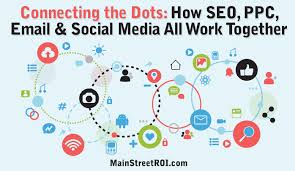
Unlocking Success: The Dynamic Duo of SEO and Social Media Marketing
The Synergy of SEO and Social Media Marketing
Search Engine Optimization (SEO) and Social Media Marketing are two powerful digital marketing strategies that, when combined effectively, can amplify the online presence and visibility of a business. While they may seem like distinct entities, the synergy between SEO and social media marketing can yield remarkable results in terms of brand awareness, website traffic, and ultimately, conversions.
Understanding SEO
SEO is the practice of enhancing a website’s visibility on search engine result pages through organic (non-paid) methods. By optimising various elements such as keywords, meta tags, content quality, and backlinks, businesses aim to rank higher in search engine results for relevant queries. This increased visibility not only drives more organic traffic to the website but also establishes credibility and trust among users.
The Power of Social Media Marketing
Social media marketing involves leveraging social platforms such as Facebook, Twitter, Instagram, and LinkedIn to engage with audiences, build relationships, and promote products or services. With billions of active users worldwide, social media provides businesses with a vast audience to connect with in a more personalised and interactive manner. Through compelling content, targeted advertising, and community engagement, businesses can enhance brand awareness and foster customer loyalty.
The Synergy Unleashed
When SEO and social media marketing work hand in hand, the results can be transformative for a business’s online presence. Here’s how:
- Enhanced Visibility: Sharing SEO-optimised content on social media channels increases its reach and engagement potential. This amplification can drive more traffic to the website and improve search engine rankings.
- Quality Backlinks: Social media platforms serve as valuable sources for generating backlinks to your website. When reputable websites link back to your content shared on social media, it boosts your site’s authority in the eyes of search engines.
- User Engagement: Social signals such as likes, shares, comments, and reviews play a role in search engine algorithms. Active engagement on social media indicates relevance and popularity to search engines, potentially improving your SEO performance.
- Brand Authority: A strong presence on both search engines and social media platforms establishes your brand as an authoritative voice in your industry. Consistent messaging across channels builds trust among consumers and reinforces brand credibility.
In Conclusion
The integration of SEO with social media marketing is not just a trend but a strategic necessity in today’s digital landscape. By aligning these two powerful tools towards common goals of increasing visibility, driving traffic, engaging audiences effectively – businesses can unlock new opportunities for growth and success online.
Top 8 FAQs on Integrating SEO with Social Media Marketing
- What is the difference between SEO and social media marketing?
- How does social media impact SEO rankings?
- Can social media marketing improve my website’s SEO?
- What are the best practices for integrating SEO with social media strategies?
- How often should I post on social media to benefit my SEO efforts?
- Which social media platforms are most effective for boosting SEO?
- Do backlinks from social media affect my site’s search engine ranking?
- How can I measure the success of my combined SEO and social media campaigns?
What is the difference between SEO and social media marketing?
SEO and social media marketing are two distinct yet complementary digital marketing strategies. SEO primarily focuses on improving a website’s visibility and ranking on search engine result pages through organic methods such as keyword optimisation, content creation, and link building. On the other hand, social media marketing involves leveraging social platforms to engage with audiences, build relationships, and promote products or services through targeted content and advertising. While SEO aims to enhance a website’s search engine visibility, social media marketing focuses on building brand awareness, fostering community engagement, and driving traffic from social channels. Both strategies play crucial roles in a comprehensive digital marketing strategy, with SEO targeting search engine users actively seeking information and solutions while social media marketing targets audiences in a more interactive and personalised manner.
How does social media impact SEO rankings?
Social media has a significant impact on SEO rankings due to its ability to enhance online visibility, drive traffic, and generate valuable backlinks. While social signals themselves (likes, shares, comments) may not directly influence search engine algorithms, the indirect benefits of social media engagement cannot be overlooked. When content is shared and promoted on social platforms, it increases its reach and potential for user interaction. This heightened exposure can lead to more organic traffic to the website, improved brand awareness, and potentially higher chances of earning quality backlinks from reputable sources. Ultimately, a strong presence on social media can complement SEO efforts by creating a buzz around your content and enhancing overall online authority and credibility.
Can social media marketing improve my website’s SEO?
The relationship between social media marketing and SEO is a commonly asked question among businesses seeking to enhance their online presence. While social media marketing may not directly impact the traditional ranking factors of SEO, it can indeed improve your website’s SEO in indirect yet significant ways. By leveraging social media platforms to share high-quality content, engage with audiences, generate backlinks, and increase brand visibility, businesses can create a ripple effect that boosts website traffic, enhances user engagement, and ultimately contributes to improved search engine rankings over time. Therefore, integrating social media marketing strategies into your overall digital marketing approach can play a valuable role in strengthening your website’s SEO performance and overall online visibility.
What are the best practices for integrating SEO with social media strategies?
When it comes to integrating SEO with social media strategies, following best practices is crucial for maximising the impact of your digital marketing efforts. One effective approach is to align your keyword research for SEO with your social media content strategy, ensuring that the topics and keywords you target are consistent across platforms. Additionally, optimising your social media profiles with relevant keywords and links to your website can improve search engine visibility. Engaging with your audience through interactive and shareable content on social media not only boosts user engagement but also enhances your brand’s online presence, ultimately contributing to improved SEO performance. Regularly monitoring analytics data from both SEO and social media channels allows you to measure the effectiveness of your integrated strategies and make data-driven adjustments for continuous improvement.
How often should I post on social media to benefit my SEO efforts?
One frequently asked question regarding SEO and social media marketing is, “How often should I post on social media to benefit my SEO efforts?” The frequency of posting on social media can indeed impact your SEO strategy. While there is no one-size-fits-all answer, consistency and quality are key. Posting regularly with relevant and engaging content can help increase brand visibility, drive traffic to your website, and encourage user engagement – all of which can positively influence your SEO performance. Finding the right balance between quantity and quality of posts that resonates with your target audience is crucial in maximising the benefits of social media for your overall SEO efforts.
Which social media platforms are most effective for boosting SEO?
When considering the effectiveness of social media platforms for boosting SEO, it is important to focus on those that offer a combination of high engagement levels, strong domain authority, and the ability to drive quality traffic to your website. Platforms such as Facebook, Twitter, LinkedIn, and Instagram are commonly recognised for their SEO benefits due to their widespread user base, content visibility potential, and opportunities for generating backlinks. By strategically leveraging these platforms through consistent and relevant content sharing, active audience engagement, and fostering community interactions, businesses can enhance their online presence and positively impact their search engine rankings.
Do backlinks from social media affect my site’s search engine ranking?
The impact of backlinks from social media on a site’s search engine ranking is a common query in the realm of SEO and social media marketing. While backlinks from social media platforms may not directly influence search engine rankings in the same way as traditional backlinks from authoritative websites do, they can still play a valuable role in enhancing SEO performance. Backlinks from social media can contribute to increased website traffic, brand visibility, and user engagement, all of which are factors that search engines like Google consider when determining a site’s relevance and authority. Therefore, while social media backlinks may not be a direct ranking factor, their indirect benefits can positively impact your site’s overall SEO strategy.
How can I measure the success of my combined SEO and social media campaigns?
Measuring the success of your combined SEO and social media campaigns is crucial for evaluating their effectiveness and determining the return on investment. To gauge the impact of these integrated strategies, you can track various key performance indicators (KPIs) such as website traffic, engagement metrics (likes, shares, comments), conversion rates, keyword rankings, social media followers growth, and overall brand visibility. Utilising analytics tools like Google Analytics for website data and social media insights for platform-specific metrics can provide valuable insights into the performance of your campaigns. By regularly monitoring and analysing these metrics, you can assess the success of your SEO and social media efforts, make data-driven decisions for optimisation, and refine your strategies to achieve greater results in the long run.