

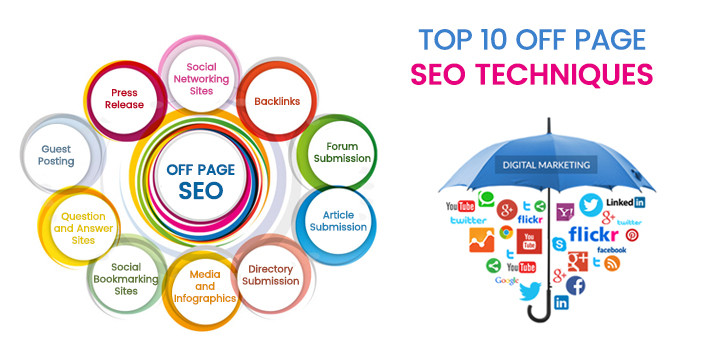
Mastering Off-Site SEO Strategies for Enhanced Online Visibility
The Importance of Off-Site SEO for Your Website
Search Engine Optimization (SEO) is crucial for improving your website’s visibility and ranking on search engine results pages. While on-site SEO focuses on optimizing elements within your website, off-site SEO plays an equally important role in enhancing your online presence.
What is Off-Site SEO?
Off-site SEO refers to the actions taken outside of your website to improve its search engine rankings. This includes building backlinks from reputable websites, engaging with social media platforms, and creating a strong online reputation through mentions and citations across the web.
The Benefits of Off-Site SEO
Off-site SEO offers several benefits that can significantly impact your website’s performance:
- Improved Search Engine Rankings: Quality backlinks from authoritative websites signal to search engines that your site is trustworthy and relevant, leading to higher rankings.
- Increased Website Traffic: By attracting visitors from other websites through backlinks and mentions, off-site SEO can drive more traffic to your site.
- Enhanced Online Reputation: Building a strong online presence through off-site SEO activities can establish your website as a reputable source of information in your industry.
- Better Brand Awareness: Engaging with social media platforms and other online channels can help increase brand visibility and recognition among your target audience.
Off-Site SEO Strategies
To improve your off-site SEO efforts, consider implementing the following strategies:
- Link Building: Focus on acquiring high-quality backlinks from relevant and authoritative websites to boost your site’s credibility.
- Social Media Engagement: Share valuable content on social media platforms to increase engagement and drive traffic back to your website.
- Online Mentions and Citations: Encourage mentions and citations of your brand across the web to strengthen your online reputation.
- Guest Blogging: Contribute guest posts to reputable sites within your industry to expand your reach and build relationships with other websites.
In Conclusion
In today’s competitive online landscape, off-site SEO is essential for enhancing your website’s visibility, credibility, and overall performance. By investing time and resources into off-site optimisation strategies, you can position your website for long-term success in search engine rankings and attract a wider audience to engage with your content.
Comprehensive Guide to Off-Site SEO: 24 Frequently Asked Questions Answered
- What is off-page SEO and its types?
- What is on vs off-site SEO?
- What are the 4 main techniques of off-page SEO?
- What is an example of off-site SEO?
- What is off-site vs on site SEO?
- What are examples of off-site SEO?
- What is onsite and off-site SEO?
- What is onsite vs offsite SEO?
- What is off-page SEO with examples?
- What are the benefits of offsite SEO?
- How can I improve my offsite SEO?
- What are examples of off-page SEO?
- What is the difference between on site and off site SEO?
- How to do off-site SEO?
- How to do SEO off-page?
- What is Offsite SEO?
- What is off site SEO examples?
- What are the types of off-page SEO?
- What is off-page SEO checklist?
- What is an off-site SEO?
- How do I do off-page SEO?
- What are off-page SEO features?
- How off-page SEO is done?
- What is off-site vs off-page SEO?
What is off-page SEO and its types?
Off-page SEO refers to the actions taken outside of a website to improve its search engine rankings and online visibility. It involves strategies such as building quality backlinks, engaging with social media platforms, and enhancing online reputation through mentions and citations. The types of off-page SEO include link building, social media engagement, online mentions and citations, and guest blogging. These tactics play a crucial role in establishing a website’s authority, credibility, and relevance in the eyes of search engines, ultimately leading to improved rankings and increased organic traffic.
What is on vs off-site SEO?
On-site SEO and off-site SEO are two essential components of search engine optimisation that work together to improve a website’s visibility and ranking on search engine results pages. On-site SEO focuses on optimizing elements within the website itself, such as content quality, meta tags, and site structure, to make it more search engine-friendly. In contrast, off-site SEO involves activities outside the website, such as link building, social media engagement, and online mentions, to establish the website’s credibility and authority in the eyes of search engines. Both on-site and off-site SEO are crucial for a comprehensive SEO strategy that drives organic traffic and improves a website’s online presence.
What are the 4 main techniques of off-page SEO?
Off-page SEO encompasses a variety of techniques aimed at improving a website’s search engine rankings through external factors. The four main techniques of off-page SEO include link building, social media engagement, online mentions and citations, and guest blogging. Link building involves acquiring high-quality backlinks from reputable websites to enhance a site’s authority. Social media engagement focuses on sharing content across social platforms to drive traffic and increase visibility. Online mentions and citations help establish credibility by showcasing brand references on other websites. Guest blogging allows for contributing informative content to external sites, expanding reach and building relationships within the industry. These techniques collectively contribute to strengthening a website’s online presence and boosting its search engine performance.
What is an example of off-site SEO?
An example of off-site SEO is the practice of building backlinks from reputable websites to your own site. When other websites link to your content, search engines view your site as more authoritative and relevant, which can positively impact your search engine rankings. This off-site strategy not only drives traffic from external sources but also enhances your website’s credibility and online reputation within your industry. By actively seeking quality backlinks from trusted sources, you can improve your off-site SEO efforts and boost your overall online visibility.
What is off-site vs on site SEO?
Off-site SEO and on-site SEO are two key components of a comprehensive search engine optimisation strategy. On-site SEO involves optimising elements within your website, such as content, meta tags, and site structure, to improve its visibility and ranking on search engine results pages. In contrast, off-site SEO focuses on activities conducted outside of your website, such as building backlinks from reputable sites, engaging with social media platforms, and enhancing your online reputation through mentions and citations across the web. While on-site SEO ensures that your website is technically sound and user-friendly, off-site SEO plays a crucial role in establishing your site’s authority and credibility in the eyes of search engines. Both on-site and off-site SEO work together to boost your website’s performance and drive organic traffic to your site.
What are examples of off-site SEO?
Examples of off-site SEO strategies include building quality backlinks from reputable websites, engaging with social media platforms to promote content and drive traffic, obtaining online mentions and citations from industry influencers or publications, contributing guest posts or articles to relevant websites, participating in online forums and communities to establish authority and credibility, and collaborating with other websites for cross-promotion opportunities. These off-site SEO tactics play a crucial role in enhancing a website’s visibility, credibility, and overall search engine rankings by demonstrating to search engines the relevance and authority of the site within its industry.
What is onsite and off-site SEO?
Onsite and off-site SEO are two key components of search engine optimisation that work together to improve a website’s visibility and ranking on search engine results pages. Onsite SEO involves optimizing elements within the website itself, such as content, meta tags, and site structure, to make it more search engine-friendly. On the other hand, off-site SEO focuses on external factors like backlinks from other websites, social media engagement, and online mentions to enhance the website’s authority and reputation in the eyes of search engines. Both onsite and off-site SEO are essential for a comprehensive SEO strategy that helps websites attract organic traffic and achieve higher rankings in search results.
What is onsite vs offsite SEO?
Onsite SEO and offsite SEO are two essential components of search engine optimisation that work together to improve a website’s visibility and ranking on search engine results pages. Onsite SEO focuses on optimizing elements within the website itself, such as content, meta tags, and site structure, to make it more search engine-friendly. On the other hand, offsite SEO involves activities conducted outside the website, such as building backlinks from reputable sites, engaging with social media platforms, and establishing a strong online presence through mentions and citations. Both onsite and offsite SEO are crucial for a comprehensive SEO strategy that enhances a website’s online presence and drives organic traffic from search engines.
What is off-page SEO with examples?
Off-page SEO refers to the actions taken outside of your website to improve its search engine rankings and online visibility. Examples of off-page SEO include building quality backlinks from reputable websites, engaging with social media platforms to promote your content, and earning online mentions and citations from authoritative sources. These activities help establish your website’s credibility, increase its relevance in search engine algorithms, and drive organic traffic from various online channels. Off-page SEO is essential for enhancing your website’s overall performance and achieving higher rankings on search engine results pages.
What are the benefits of offsite SEO?
Off-site SEO offers a multitude of benefits that are essential for enhancing a website’s online presence and search engine rankings. One of the key advantages of off-site SEO is the ability to improve search engine rankings by acquiring high-quality backlinks from reputable websites. These backlinks signal to search engines that a website is trustworthy and relevant, leading to higher visibility in search results. Additionally, off-site SEO helps increase website traffic by attracting visitors from external sources through backlinks and mentions across the web. By building a strong online reputation, enhancing brand awareness, and driving targeted traffic to a website, off-site SEO plays a crucial role in boosting overall online performance and credibility.
How can I improve my offsite SEO?
Improving your off-site SEO involves implementing strategies that focus on building a strong online presence beyond your website. One effective way to enhance your off-site SEO is by prioritising quality link building from reputable and relevant websites. Acquiring backlinks from authoritative sources can signal to search engines that your site is trustworthy and valuable, ultimately boosting your search engine rankings. Engaging with social media platforms, encouraging online mentions and citations, and contributing guest posts to industry-related websites are also key tactics to improve your off-site SEO and increase your website’s visibility and credibility across the web.
What are examples of off-page SEO?
Off-page SEO encompasses various strategies that focus on improving a website’s search engine rankings through external factors. Examples of off-page SEO include link building, social media engagement, online mentions and citations, guest blogging, influencer partnerships, and online reviews. Link building involves acquiring backlinks from reputable websites to enhance a site’s authority and credibility in the eyes of search engines. Social media engagement involves sharing content on platforms like Facebook, Twitter, and LinkedIn to drive traffic and increase brand visibility. Online mentions and citations refer to references of a website or brand across the web, contributing to its online reputation. Guest blogging allows websites to publish content on other platforms to reach new audiences and build relationships with industry peers. Influencer partnerships leverage the reach and influence of key individuals to promote a website or brand. Online reviews on platforms like Google My Business or Yelp can also impact a website’s visibility and credibility in search results. These off-page SEO strategies play a crucial role in enhancing a website’s online presence and driving organic traffic.
What is the difference between on site and off site SEO?
The difference between on-site and off-site SEO lies in the focus of their optimization efforts. On-site SEO involves optimizing elements within the website itself, such as meta tags, content, and site structure, to improve search engine visibility. In contrast, off-site SEO focuses on activities outside the website, like building backlinks from other reputable sites, engaging with social media platforms, and enhancing online reputation through mentions and citations. While on-site SEO ensures that the website is technically sound and relevant to search queries, off-site SEO aims to establish credibility and authority across the web through external signals. Both aspects are crucial for a comprehensive SEO strategy that enhances a website’s overall performance in search engine rankings.
How to do off-site SEO?
To effectively execute off-site SEO, it is crucial to focus on building a strong online presence through various strategies. One key aspect is acquiring high-quality backlinks from reputable websites in your industry, as these backlinks signal to search engines the credibility and relevance of your site. Engaging with social media platforms by sharing valuable content and interacting with your audience can also boost off-site SEO efforts. Additionally, seeking online mentions and citations of your brand across the web can further enhance your website’s reputation and visibility. By implementing a combination of link building, social media engagement, and brand promotion tactics, you can improve your off-site SEO and drive more traffic to your website.
How to do SEO off-page?
When it comes to off-page SEO, the key is to focus on strategies that enhance your website’s authority and credibility in the eyes of search engines. Building high-quality backlinks from reputable websites, engaging with social media platforms to drive traffic, and cultivating a strong online presence through mentions and citations are essential components of off-page SEO. By implementing these strategies effectively and consistently, you can improve your website’s search engine rankings, increase organic traffic, and establish a reputable online presence within your industry.
What is Offsite SEO?
Off-site SEO, also known as off-page SEO, refers to the strategies and activities implemented outside of your website to improve its search engine rankings and online visibility. This includes building high-quality backlinks from reputable websites, engaging with social media platforms, and establishing a strong online presence through mentions and citations across the web. Off-site SEO plays a crucial role in enhancing your website’s authority, credibility, and relevance in the eyes of search engines, ultimately leading to improved organic traffic and higher search engine rankings.
What is off site SEO examples?
Off-site SEO examples include activities such as building backlinks from reputable websites, engaging with social media platforms to promote content and drive traffic, participating in online forums and communities to establish authority and credibility, submitting your website to online directories, guest blogging on relevant websites to reach new audiences, and earning mentions and citations from influential sources within your industry. These off-site SEO strategies help improve your website’s visibility, reputation, and search engine rankings by demonstrating to search engines that your site is a valuable and trustworthy resource within its niche.
What are the types of off-page SEO?
When it comes to off-page SEO, there are several types of strategies that can be employed to enhance a website’s online presence and search engine rankings. Some common types of off-page SEO techniques include building high-quality backlinks from reputable websites, engaging in social media marketing to increase brand visibility and drive traffic, creating online mentions and citations to establish credibility, and participating in guest blogging opportunities to expand reach and build relationships with other websites. Each of these strategies plays a crucial role in improving a website’s authority, relevance, and reputation in the eyes of search engines, ultimately leading to higher rankings and increased organic traffic.
What is off-page SEO checklist?
An off-page SEO checklist is a comprehensive guide that outlines the essential tasks and strategies required to improve a website’s search engine rankings through off-site optimisation techniques. This checklist typically includes key elements such as building high-quality backlinks from reputable websites, engaging with social media platforms to increase brand visibility, acquiring online mentions and citations, and contributing guest posts to relevant industry websites. By following an off-page SEO checklist diligently, website owners can enhance their online reputation, drive more traffic to their site, and ultimately boost their search engine rankings for increased visibility and credibility in the digital landscape.
What is an off-site SEO?
Off-site SEO, also known as off-page SEO, refers to the strategies and activities implemented outside of a website to enhance its search engine rankings and online visibility. This includes building quality backlinks from reputable websites, engaging with social media platforms, and establishing a strong online presence through mentions and citations across the web. Off-site SEO plays a crucial role in demonstrating the credibility and relevance of a website to search engines, ultimately leading to improved rankings and increased organic traffic. By focusing on off-site optimisation techniques, website owners can strengthen their online reputation, drive more visitors to their site, and establish authority within their industry.
How do I do off-page SEO?
To effectively implement off-page SEO, it is essential to focus on building a strong online presence through activities such as link building, social media engagement, and online reputation management. Start by acquiring high-quality backlinks from reputable websites to signal credibility to search engines. Engaging with social media platforms by sharing valuable content can drive traffic back to your site and increase brand visibility. Encouraging online mentions and citations of your brand across the web can also enhance your website’s reputation. By incorporating these strategies into your off-page SEO efforts, you can improve your website’s search engine rankings and attract more visitors to your site.
What are off-page SEO features?
Off-page SEO features refer to the external factors that impact a website’s search engine rankings and online visibility. These features include backlinks from reputable websites, social media engagement, online mentions and citations, guest blogging on relevant platforms, and overall brand reputation across the web. By focusing on off-page SEO features, website owners can enhance their site’s authority, credibility, and relevance in the eyes of search engines, ultimately leading to improved rankings and increased organic traffic.
How off-page SEO is done?
Off-page SEO, also known as off-site SEO, involves various strategies and techniques implemented outside of your website to improve its search engine rankings and online visibility. One common approach to off-page SEO is through link building, where you acquire high-quality backlinks from reputable websites to signal to search engines the credibility and relevance of your site. Engaging with social media platforms, creating online mentions and citations, and participating in guest blogging are other effective ways to enhance off-page SEO. By focusing on building a strong online presence and establishing connections with authoritative sources across the web, you can boost your website’s performance and attract more traffic from search engines.
What is off-site vs off-page SEO?
Off-site SEO and off-page SEO are often used interchangeably, but they refer to slightly different aspects of search engine optimisation. Off-site SEO encompasses all external factors that influence your website’s search engine rankings, such as backlinks, social media signals, and online reputation management. On the other hand, off-page SEO specifically focuses on activities conducted outside of your website to improve its visibility and authority on the internet. Both off-site and off-page SEO strategies are essential for enhancing your website’s online presence and attracting more organic traffic from search engines.